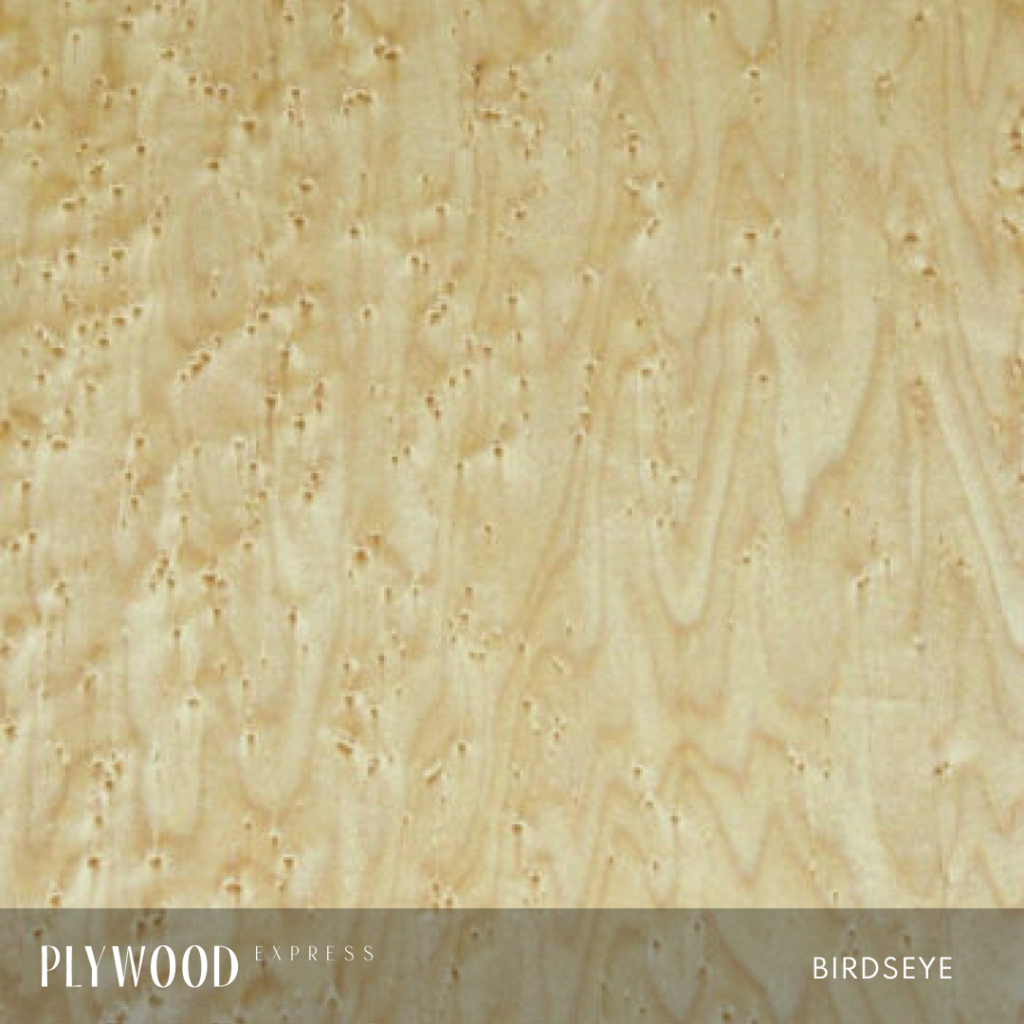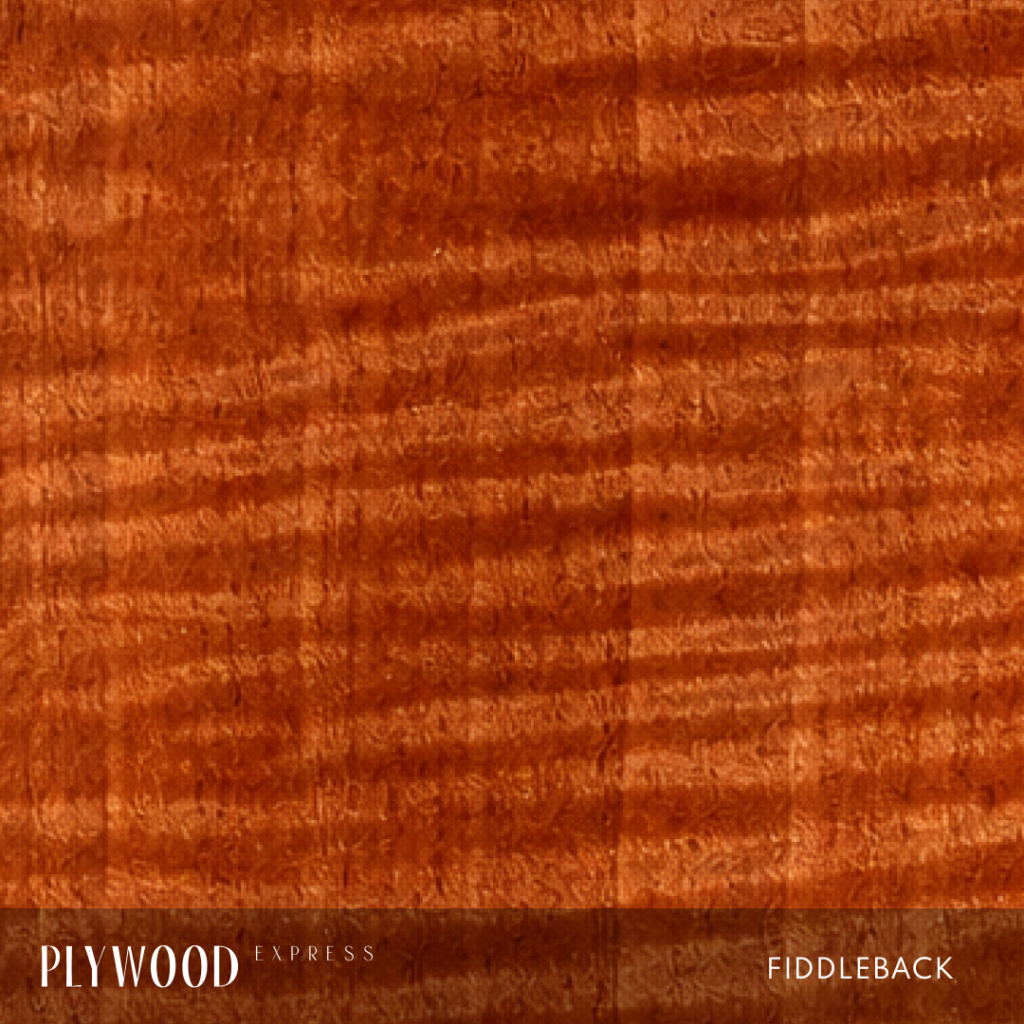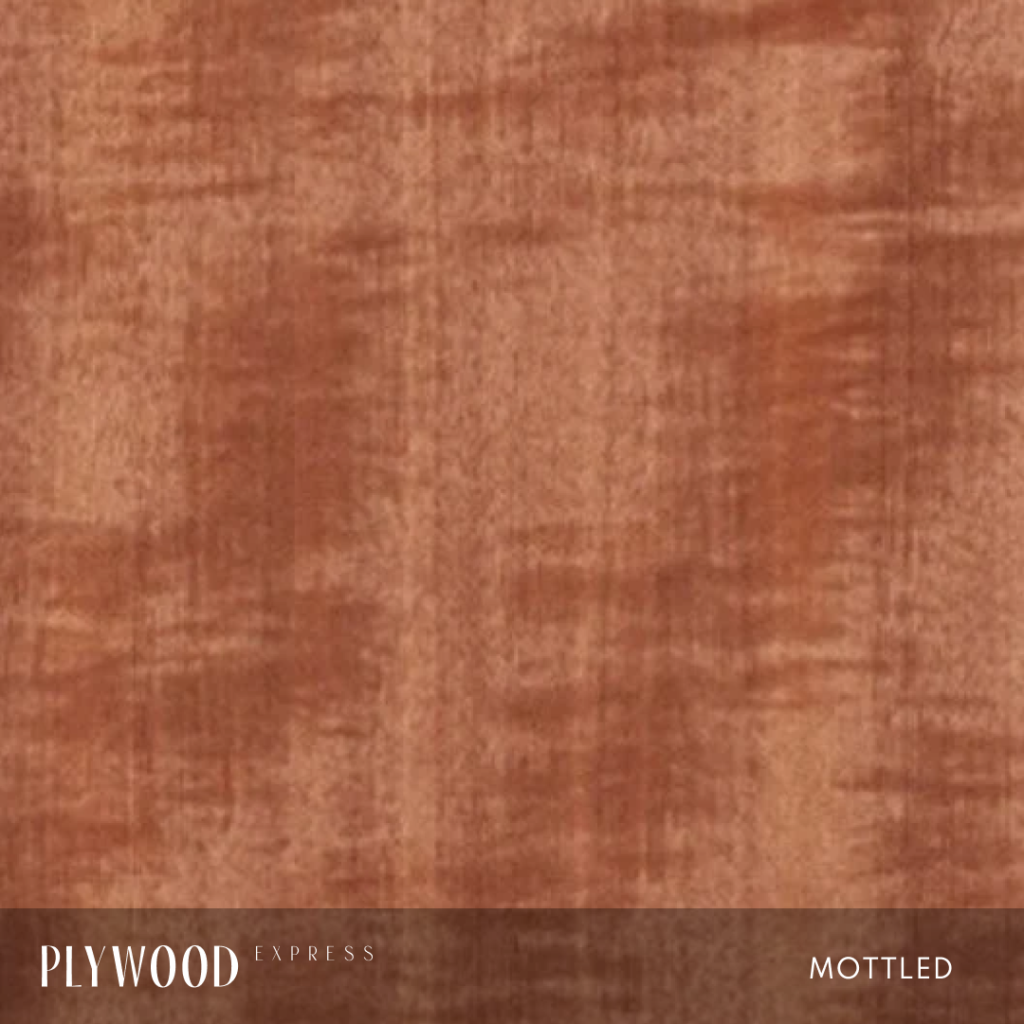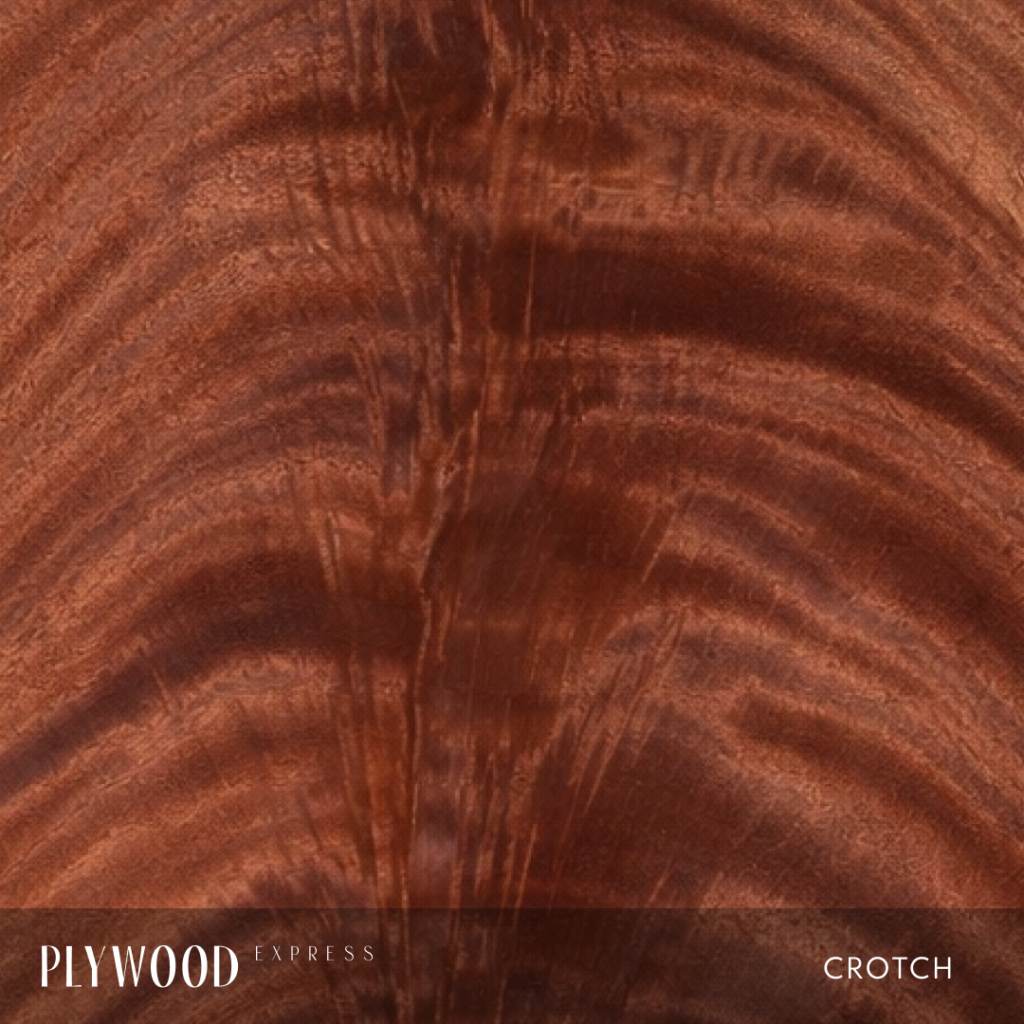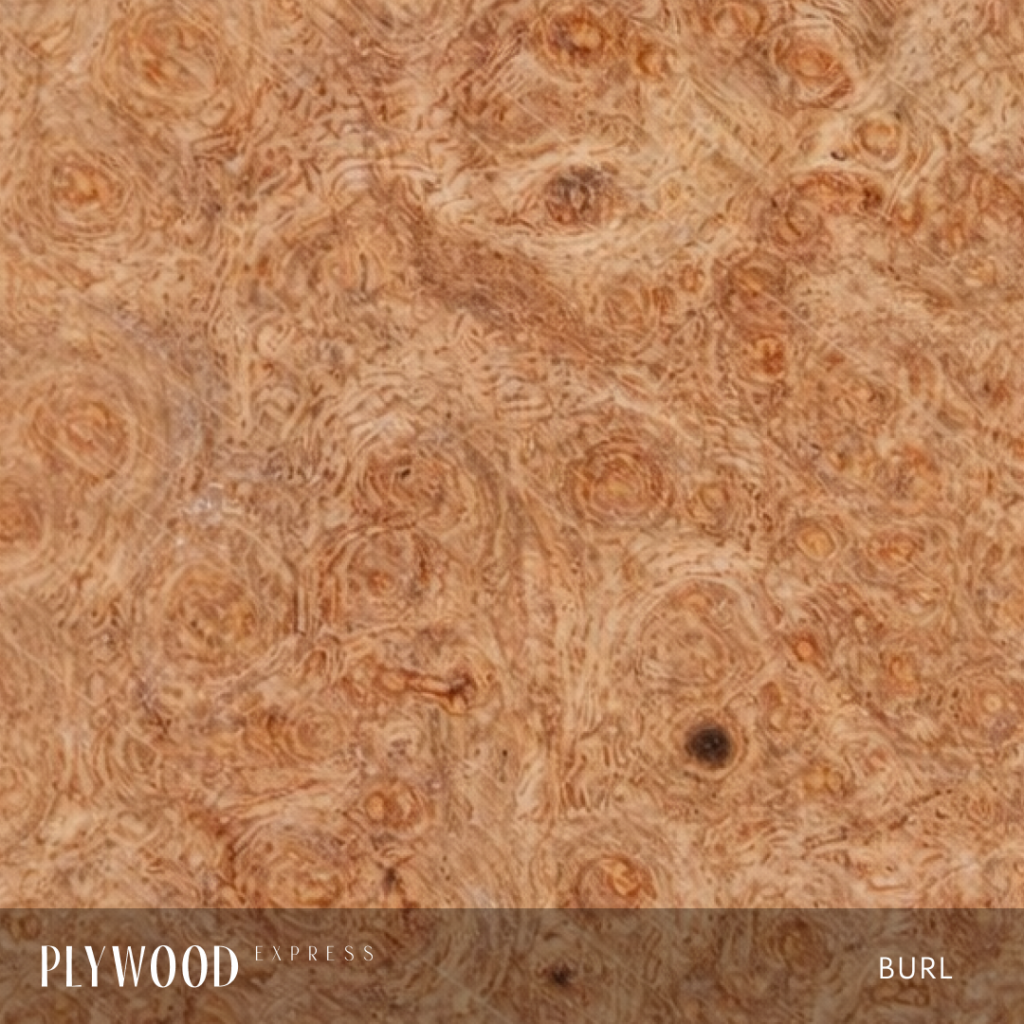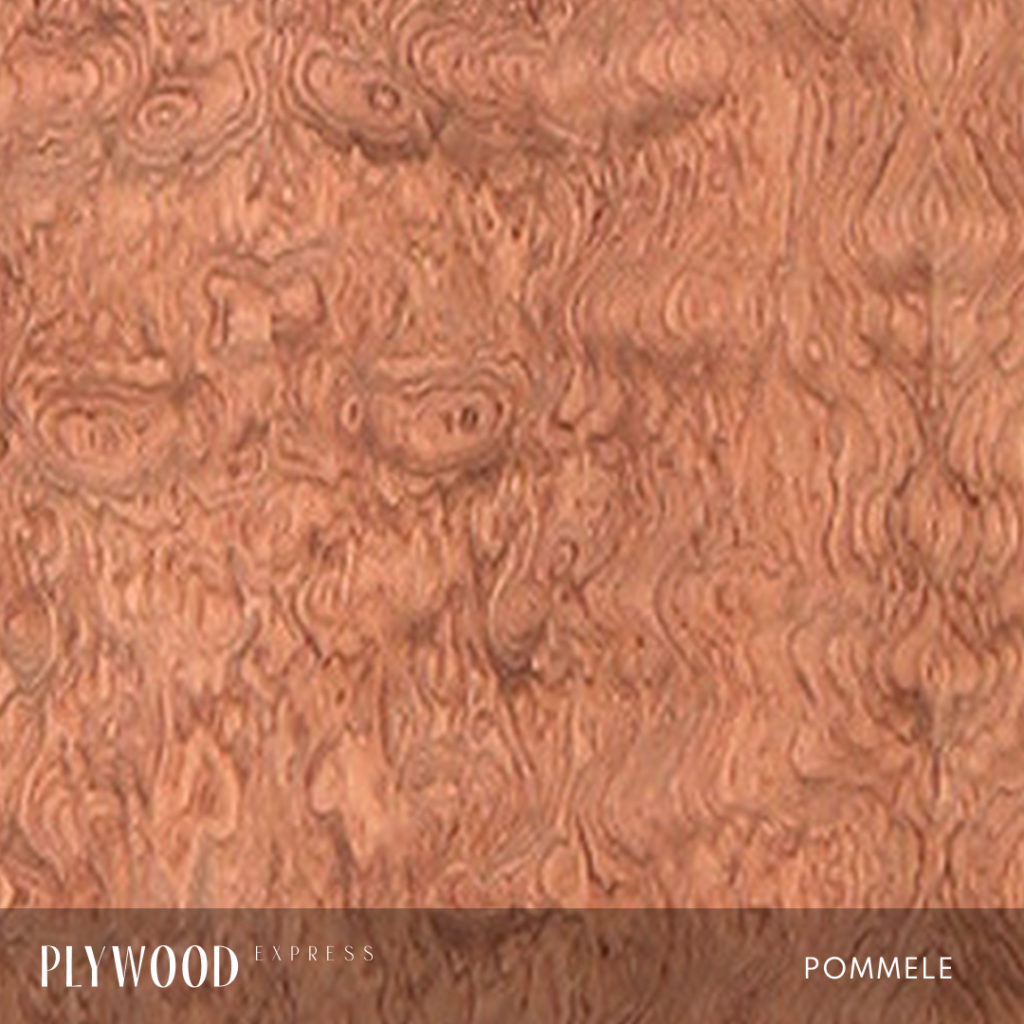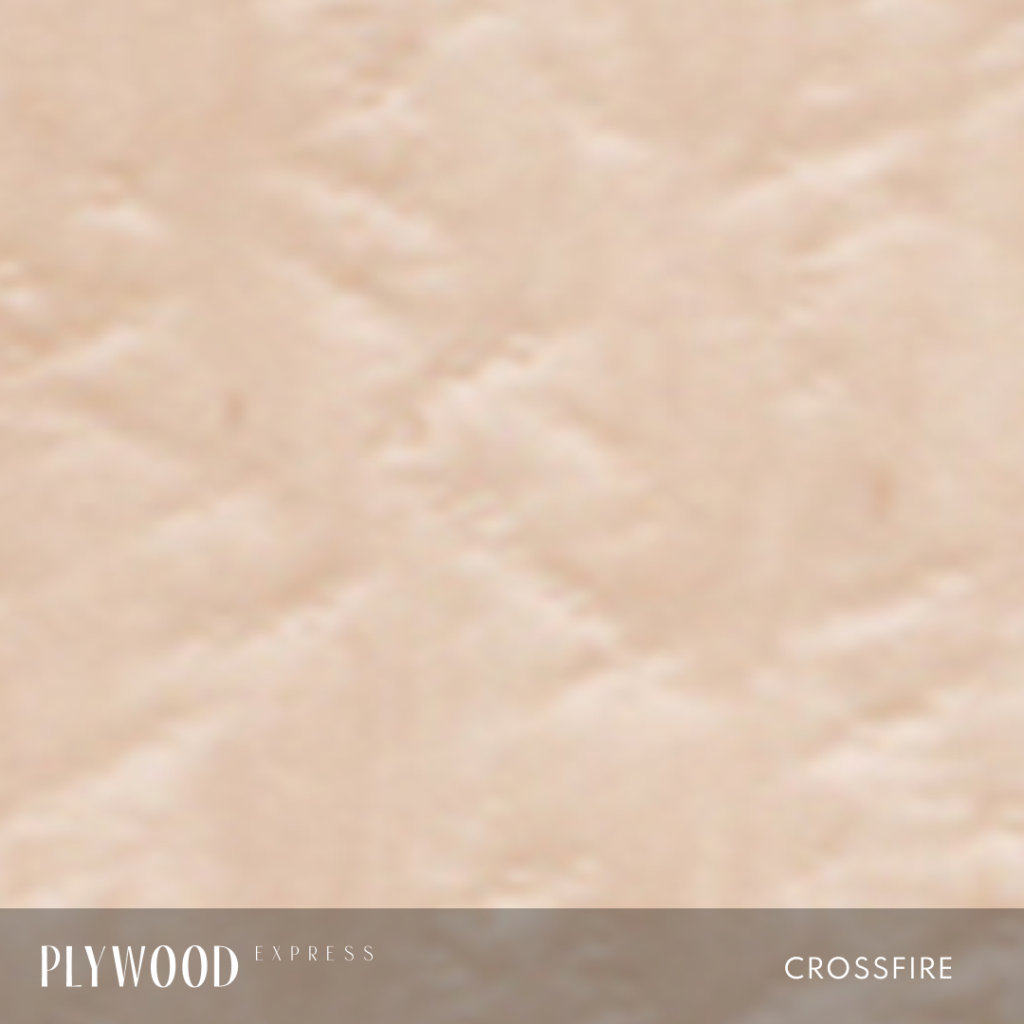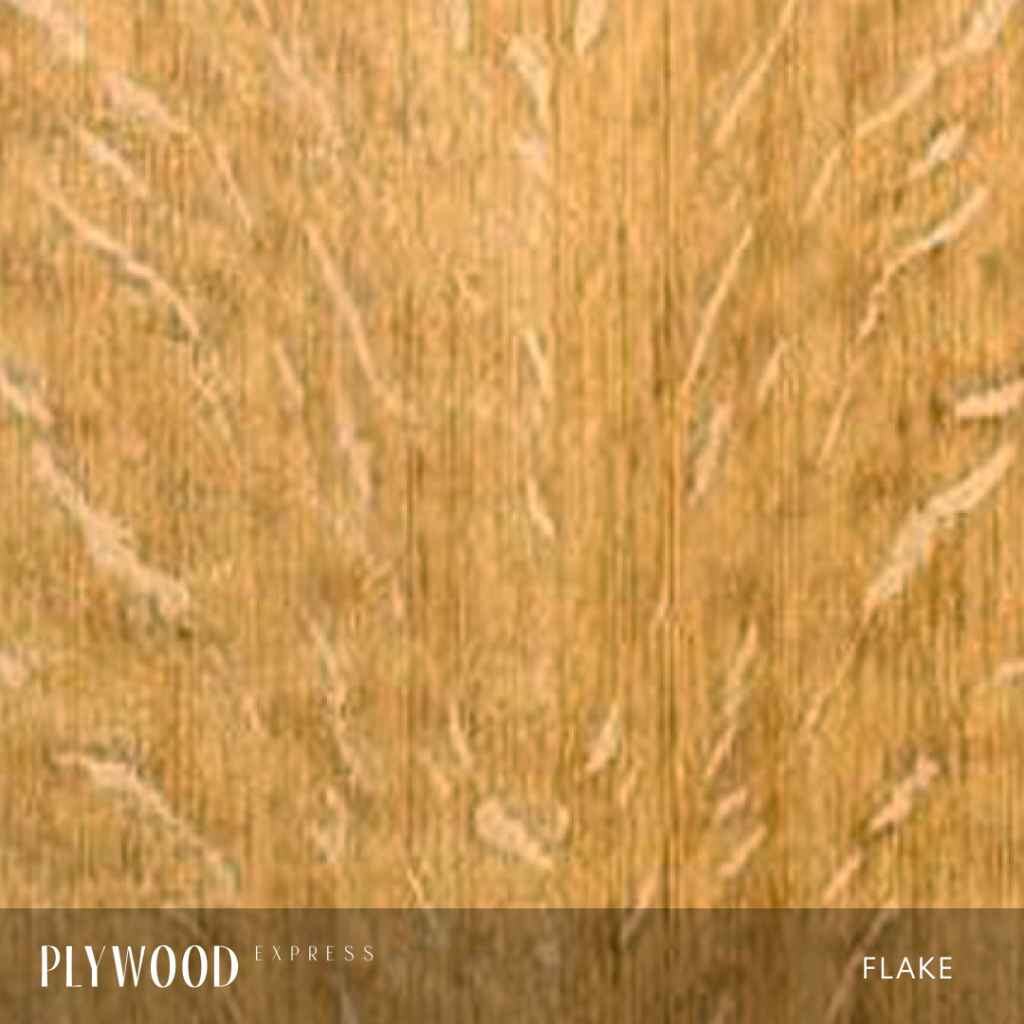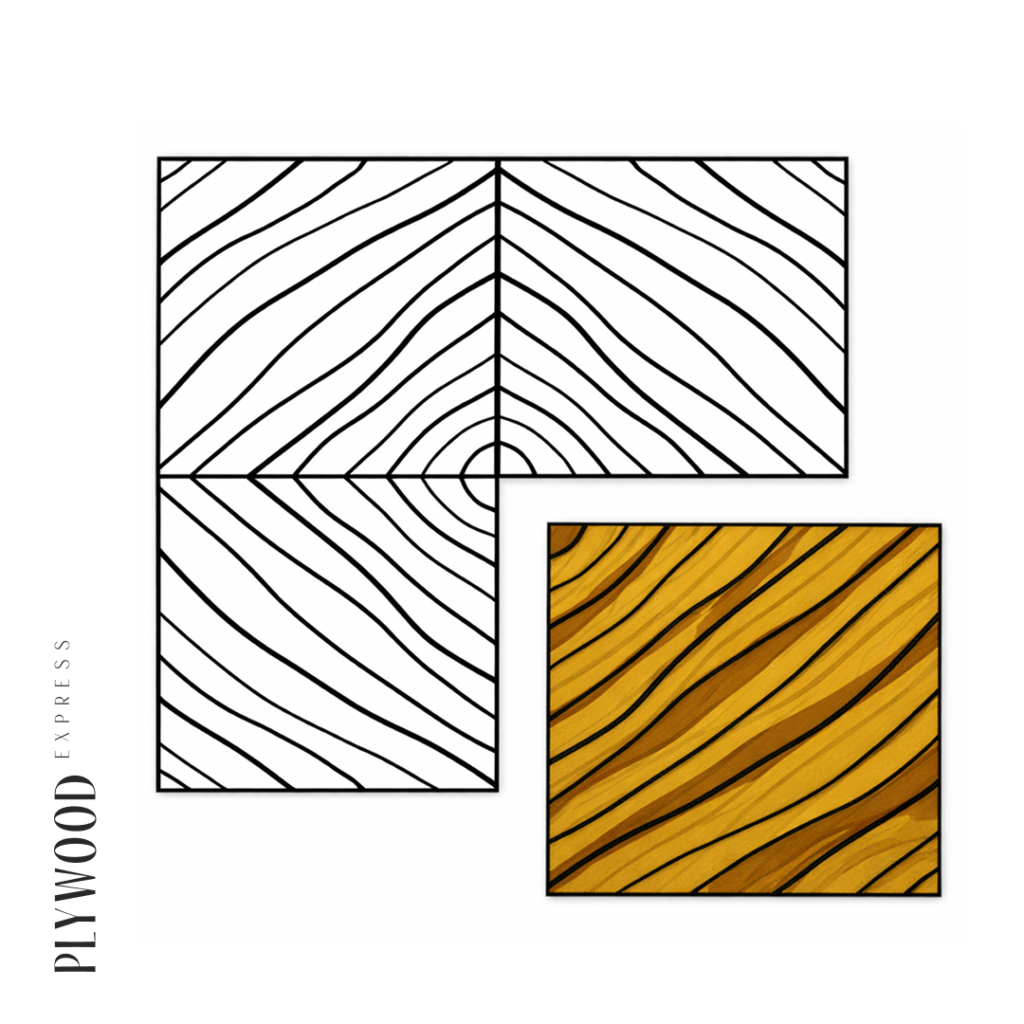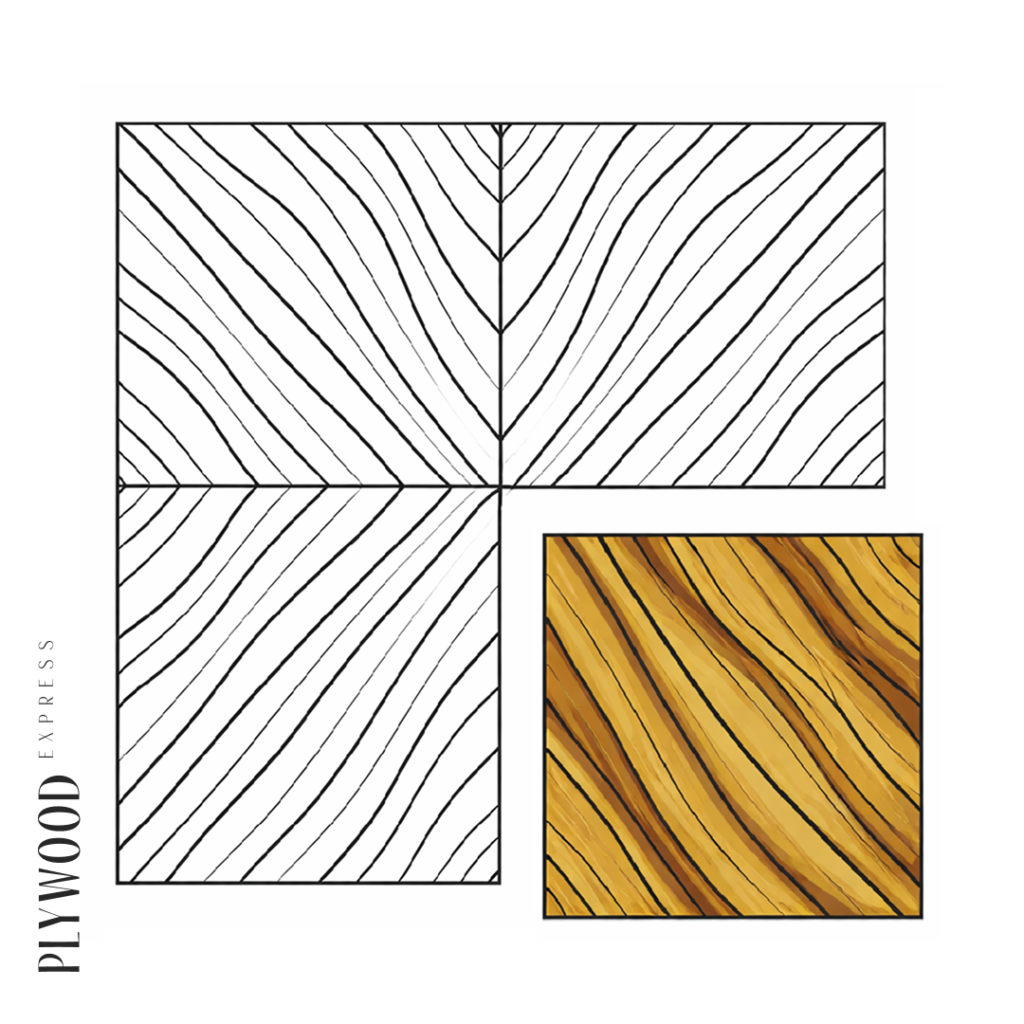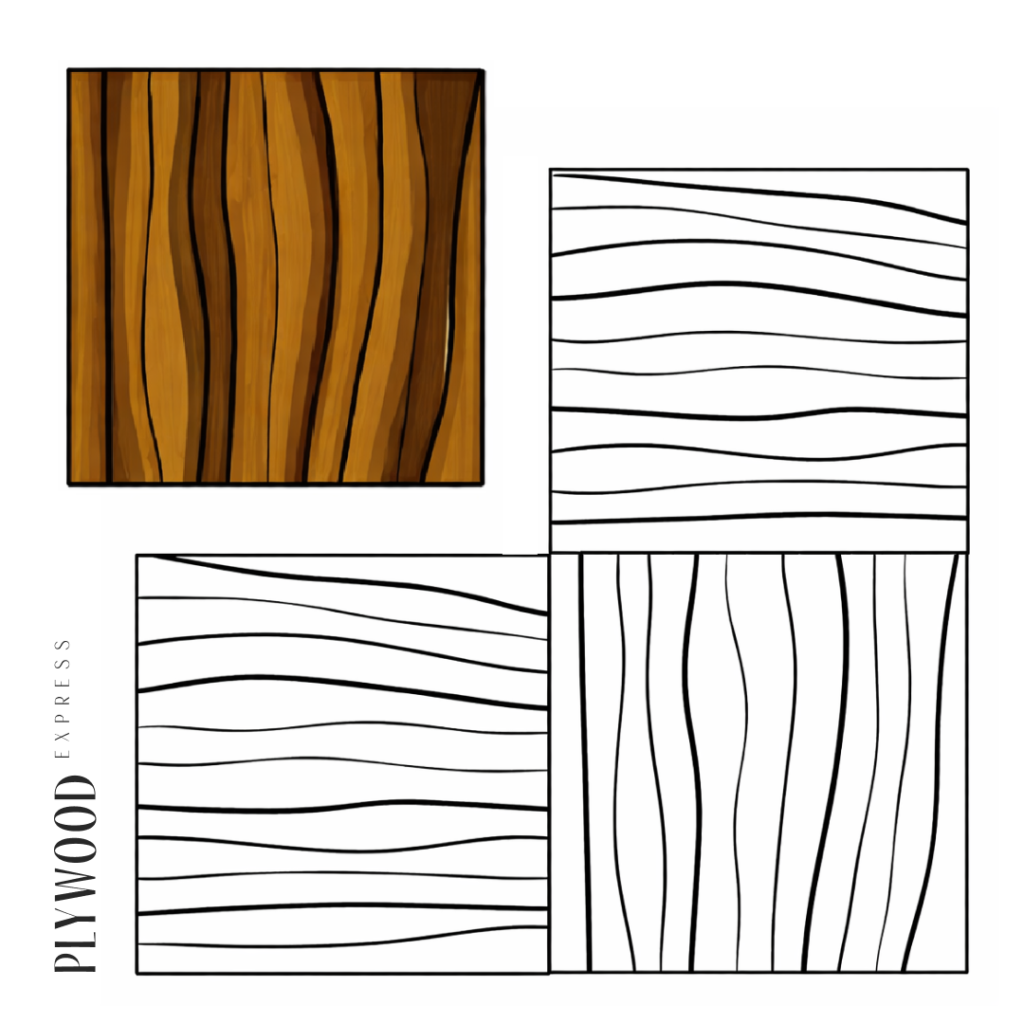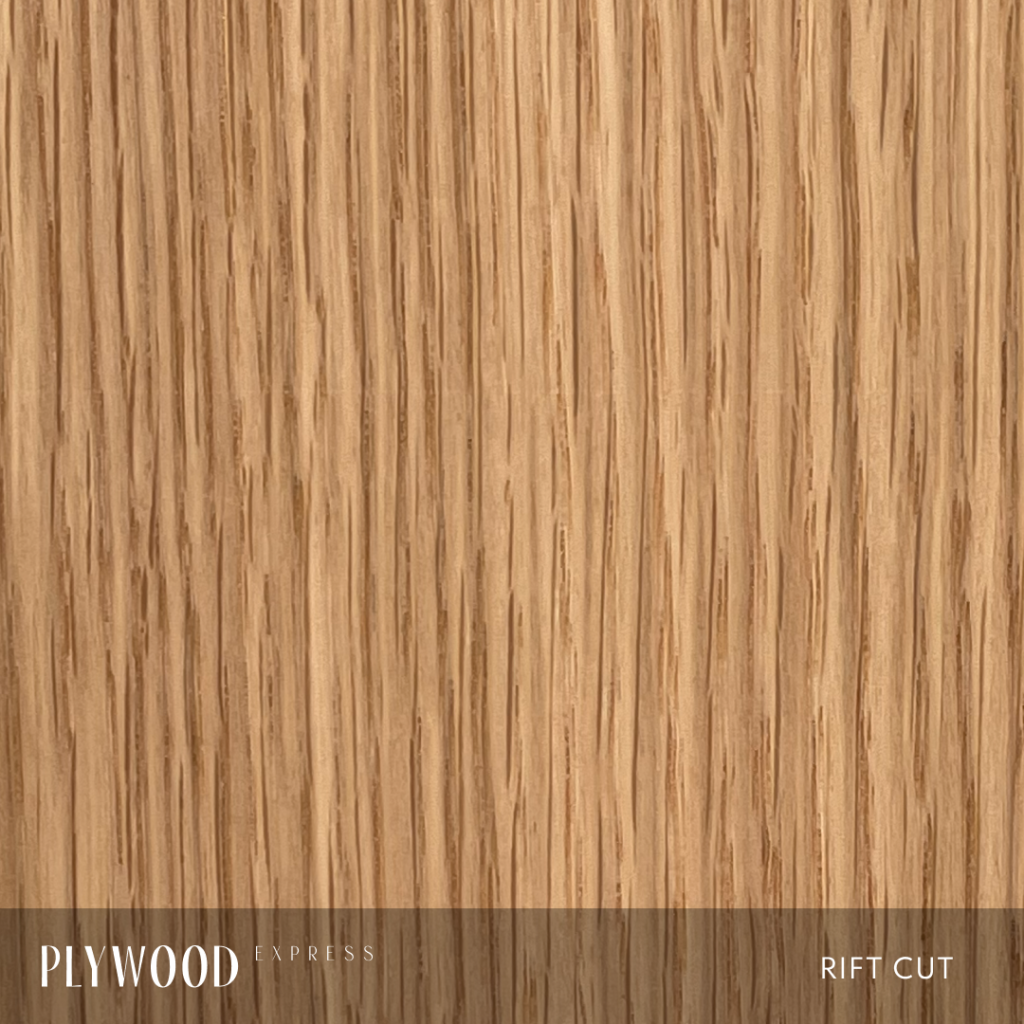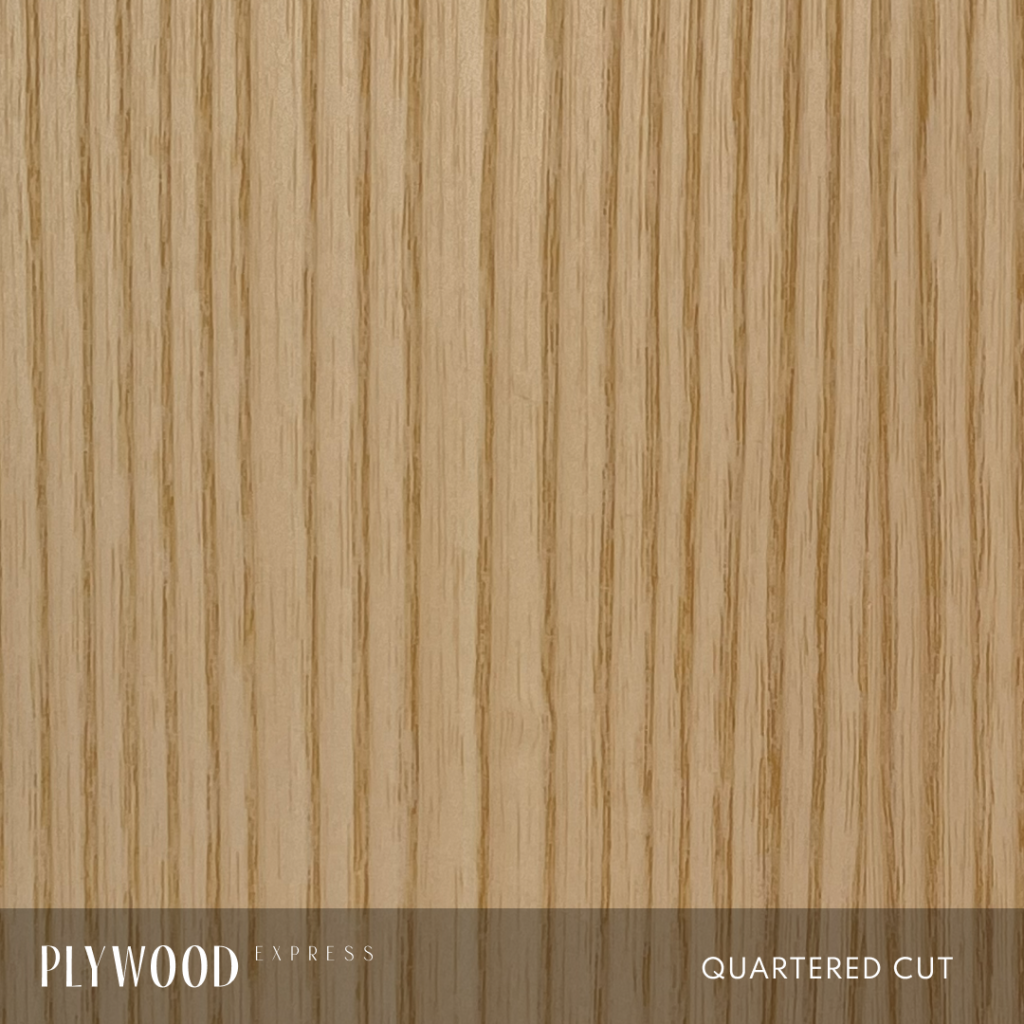
FIGURE TYPES
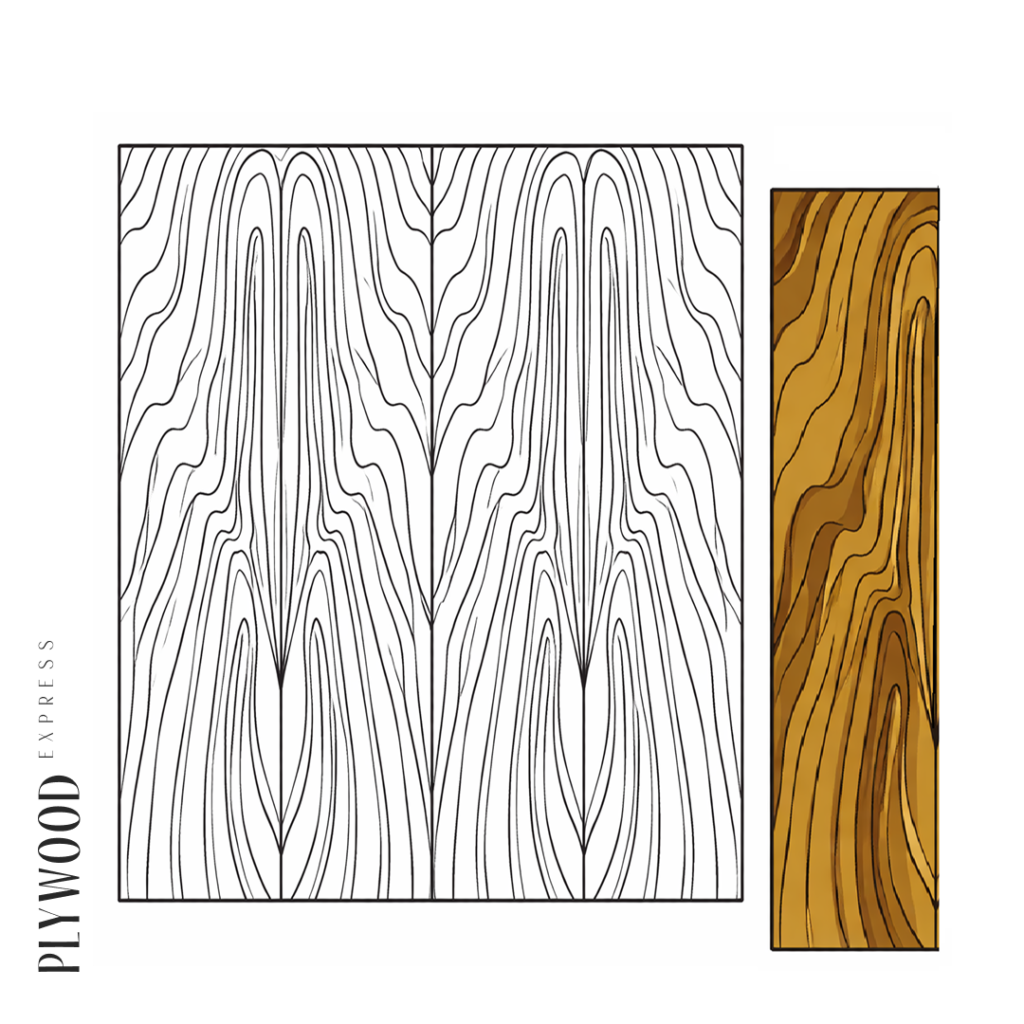
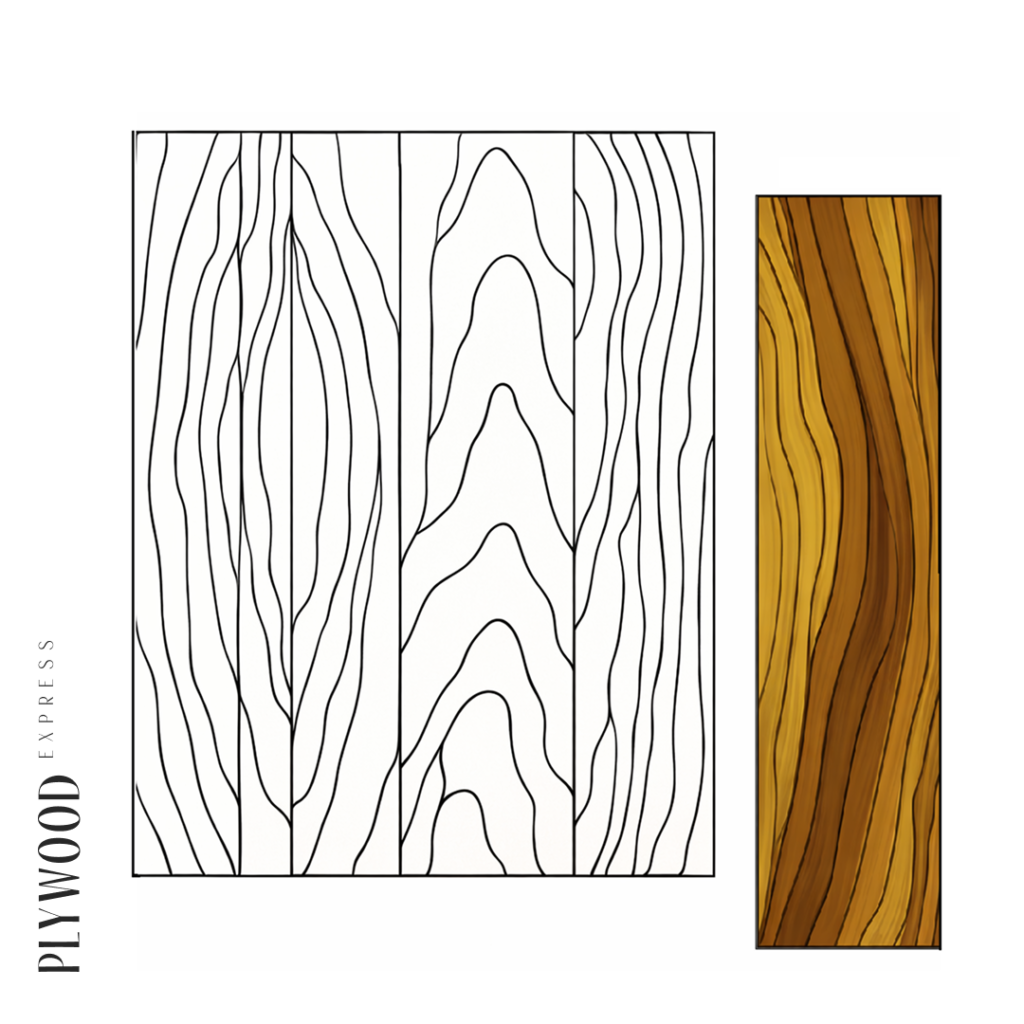
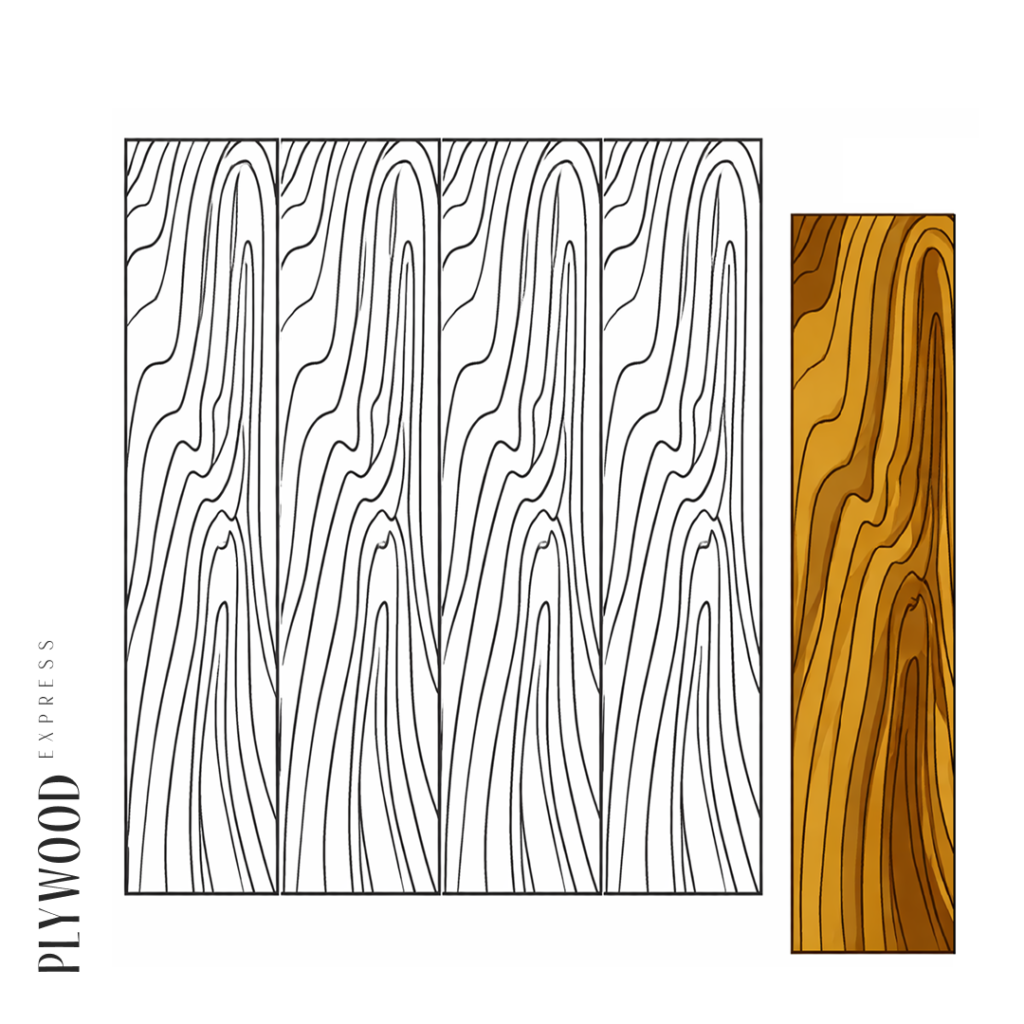
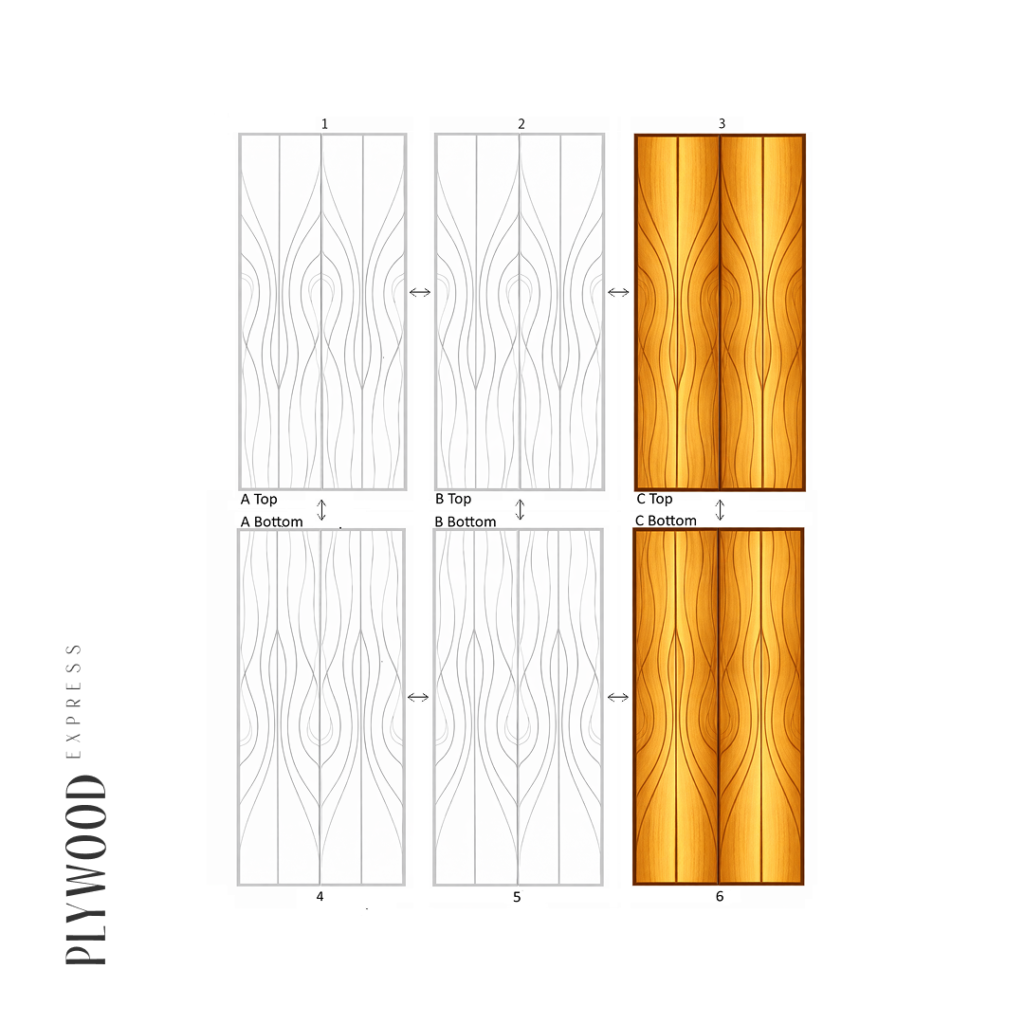
Wood veneer figures reveal the natural character and movement of the tree. Formed by the wood’s growth pattern, grain direction, and cutting method, each figure creates a distinct visual effect, from subtle and linear to bold and expressive. Understanding these figure types helps designers and woodworkers choose the right veneer to achieve the desired mood, texture, and elegance in a finished space.
MATCHING LEAVES
Leaf matching refers to the process of pairing and assembling individual veneer leaves to create a single panel face. The chosen matching method influences grain continuity, symmetry, and visual balance, shaping the overall character of the veneer surface.
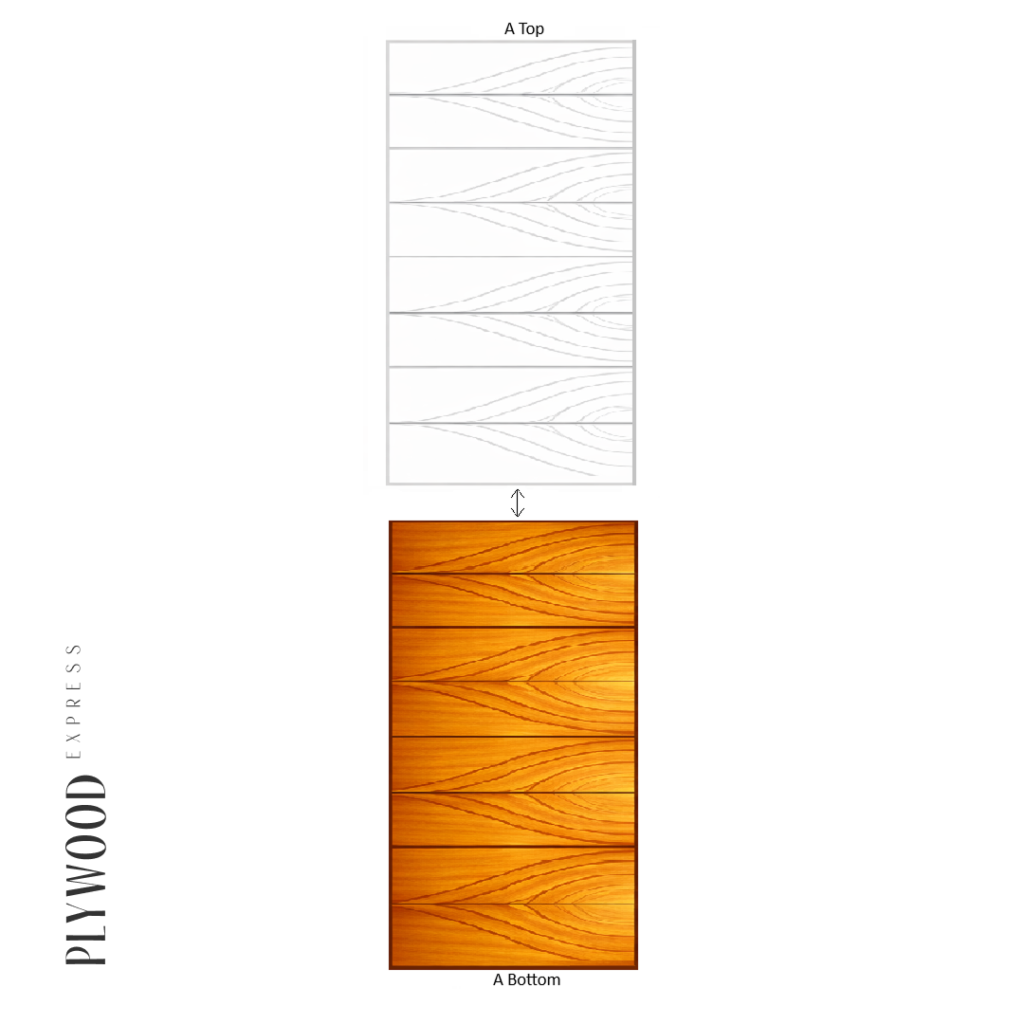
MATCHING LEAVES ON A PANEL
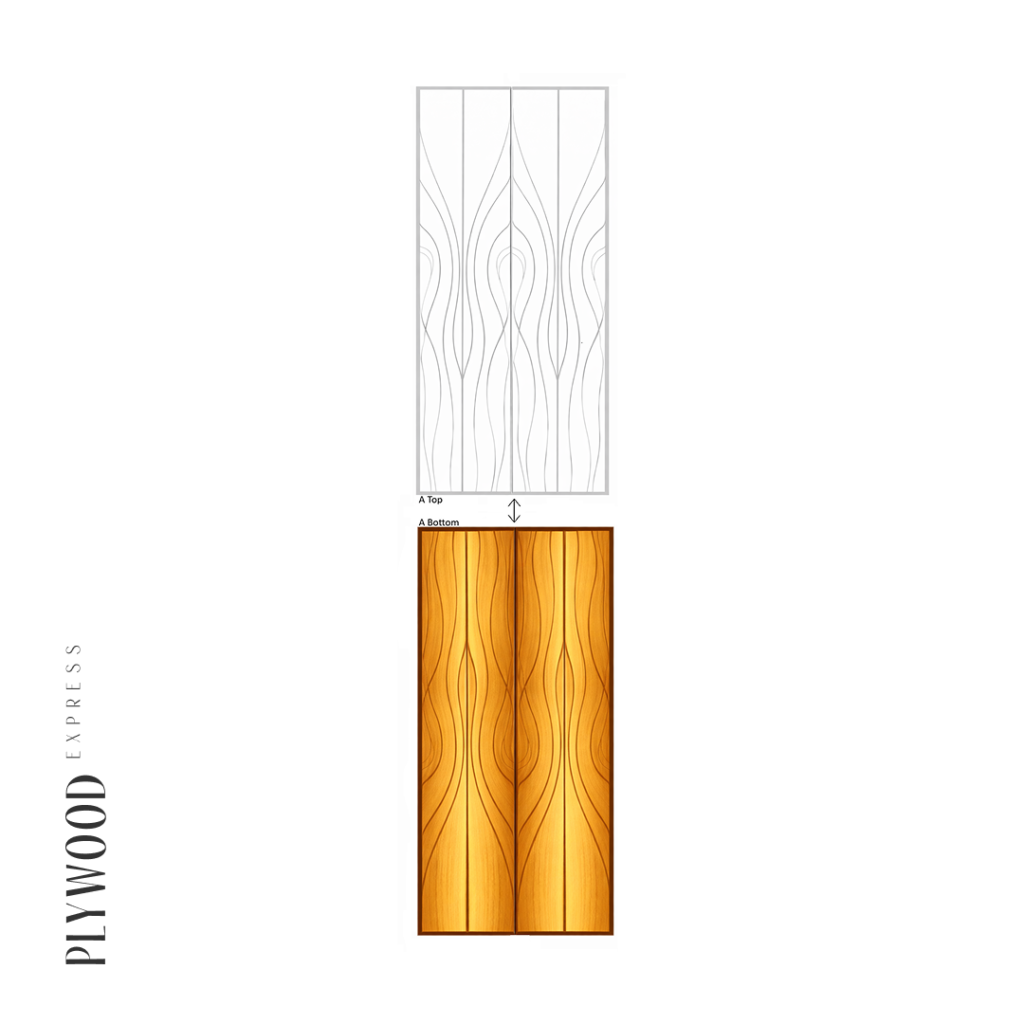
Veneer matching refers to the arrangement and joining of individual leaves on a panel surface. The matching method determines the flow, symmetry, and visual rhythm of the grain, playing a key role in the overall look and consistency of the finished panel. Selecting the right matching technique helps achieve the desired balance between natural variation and design control.
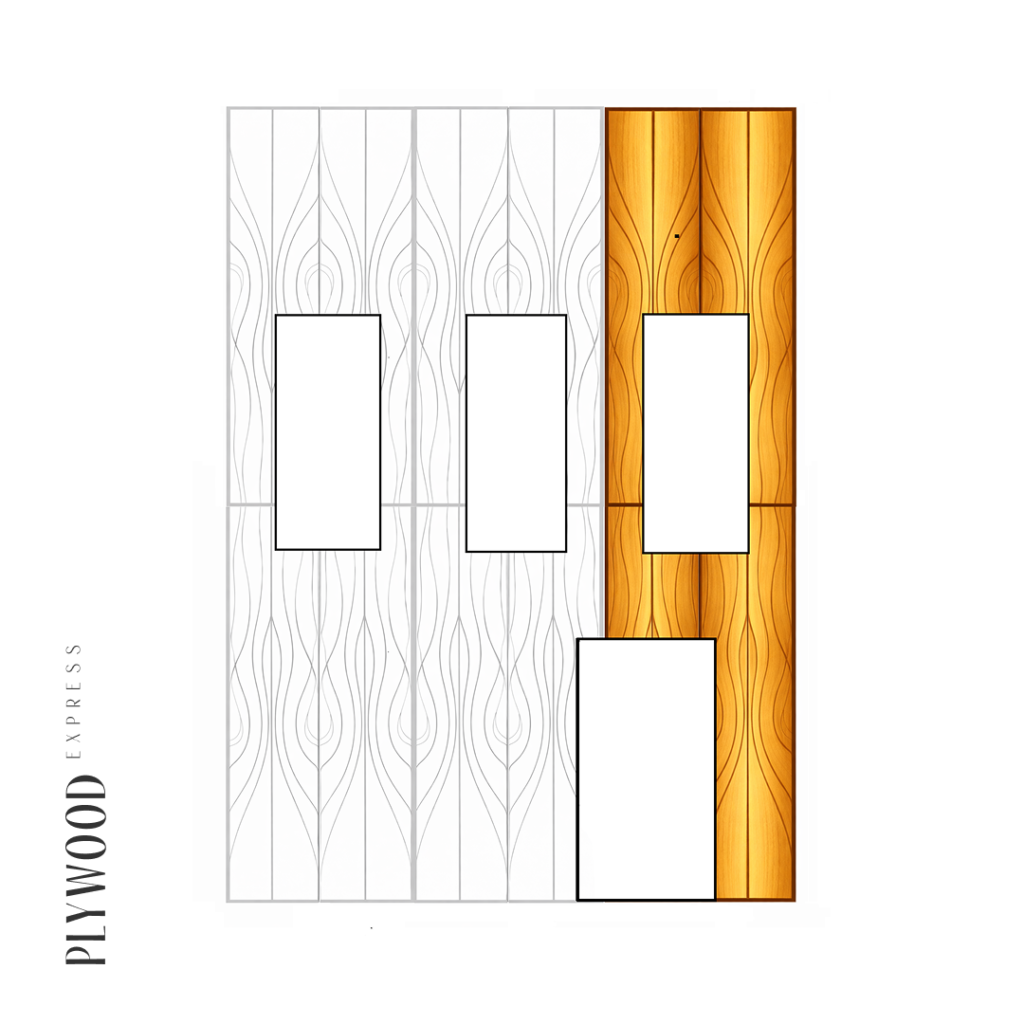
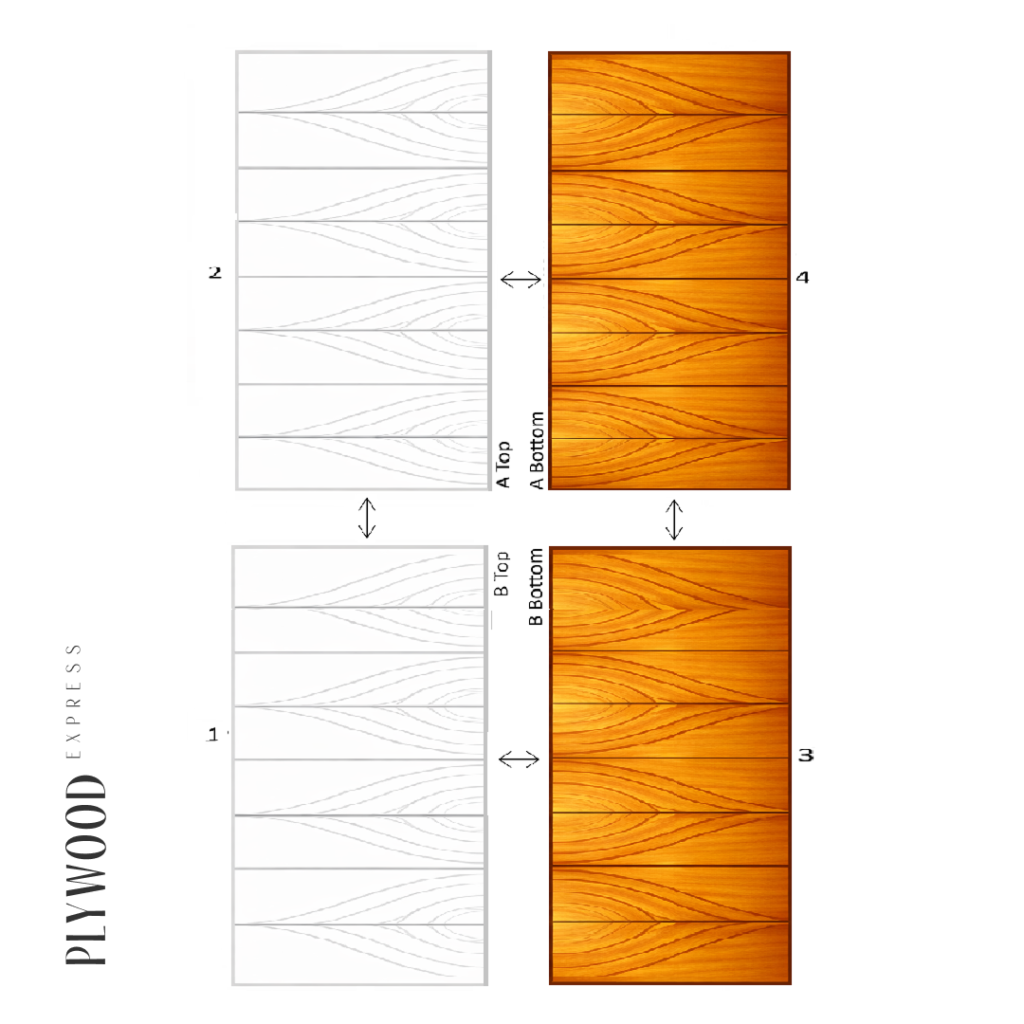
MATCHING PANELS
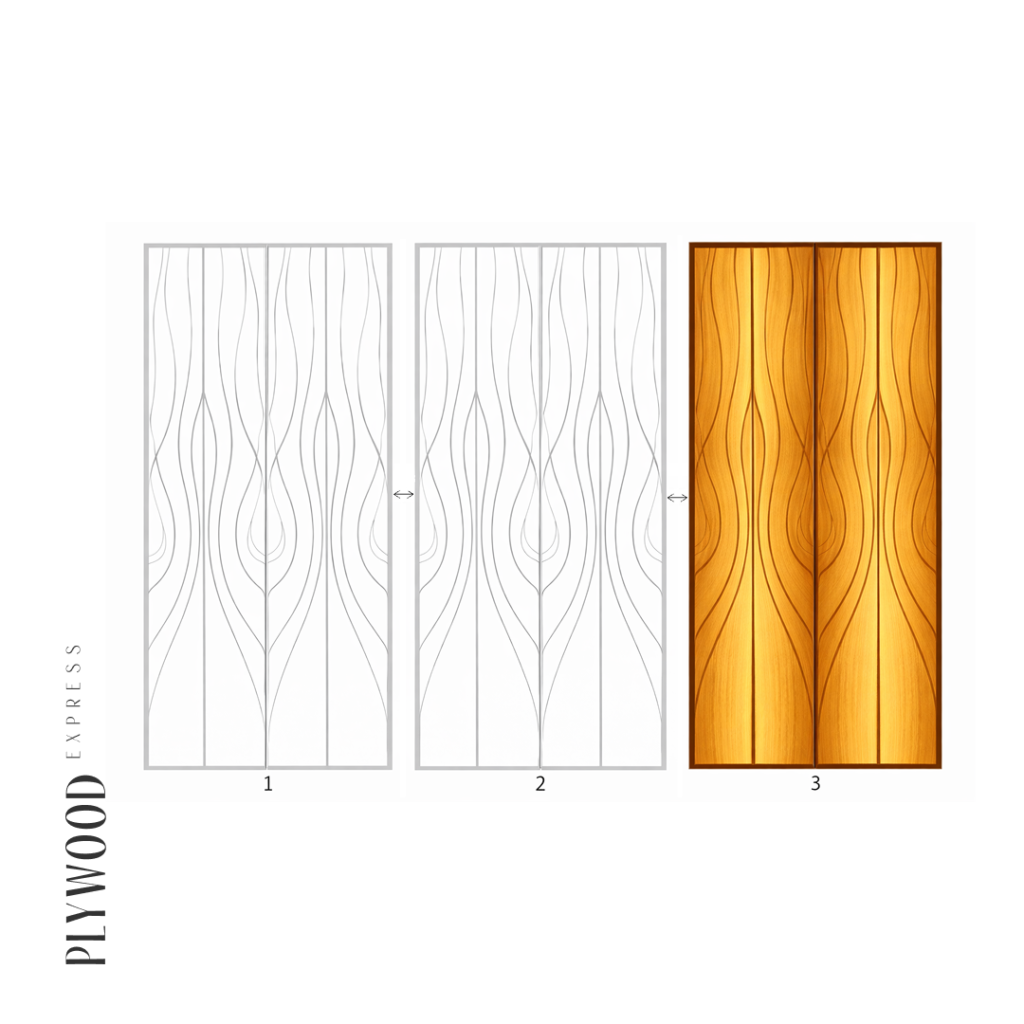
Panel matching is the process of coordinating multiple veneered panels across a larger surface or installation. This involves controlling continuity, alignment, and visual flow from one panel to the next to ensure a cohesive and intentional appearance. Proper panel matching is essential for achieving consistency and design harmony in architectural and millwork applications.
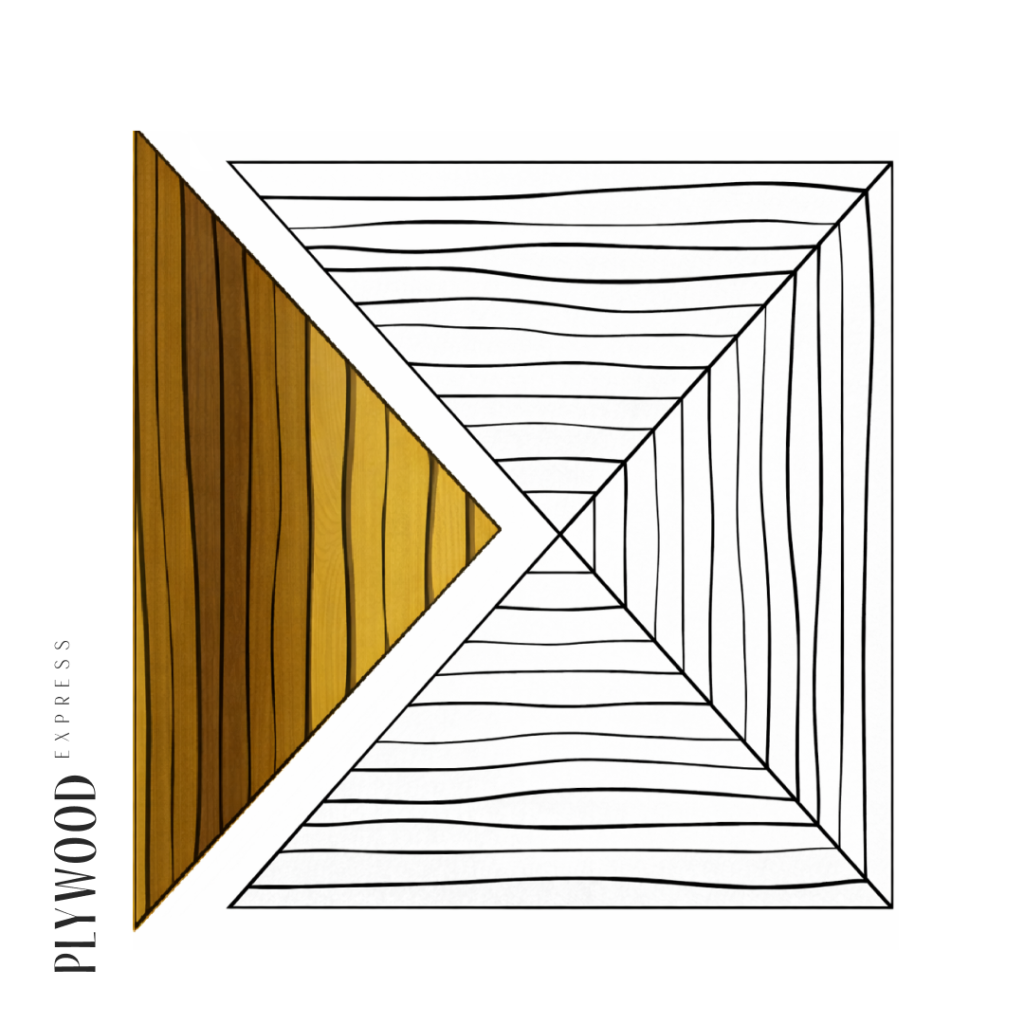
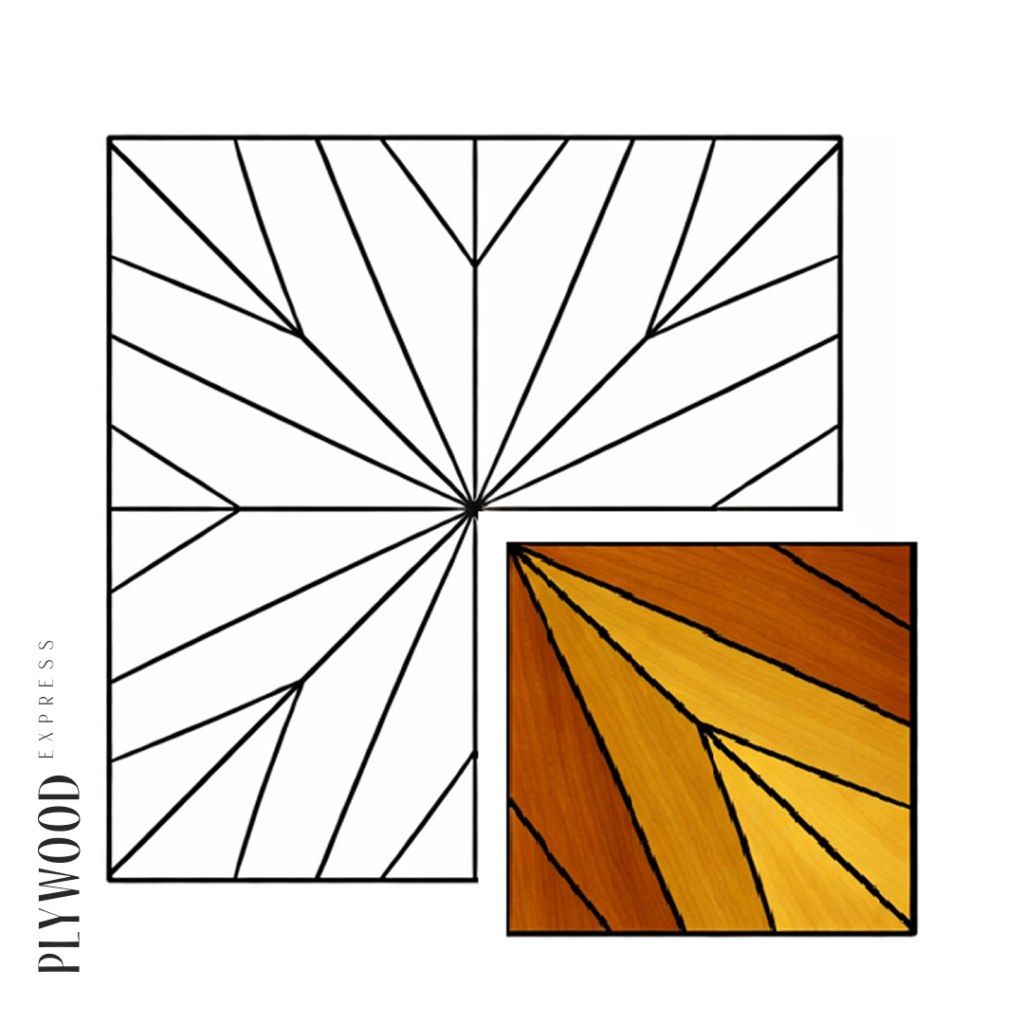
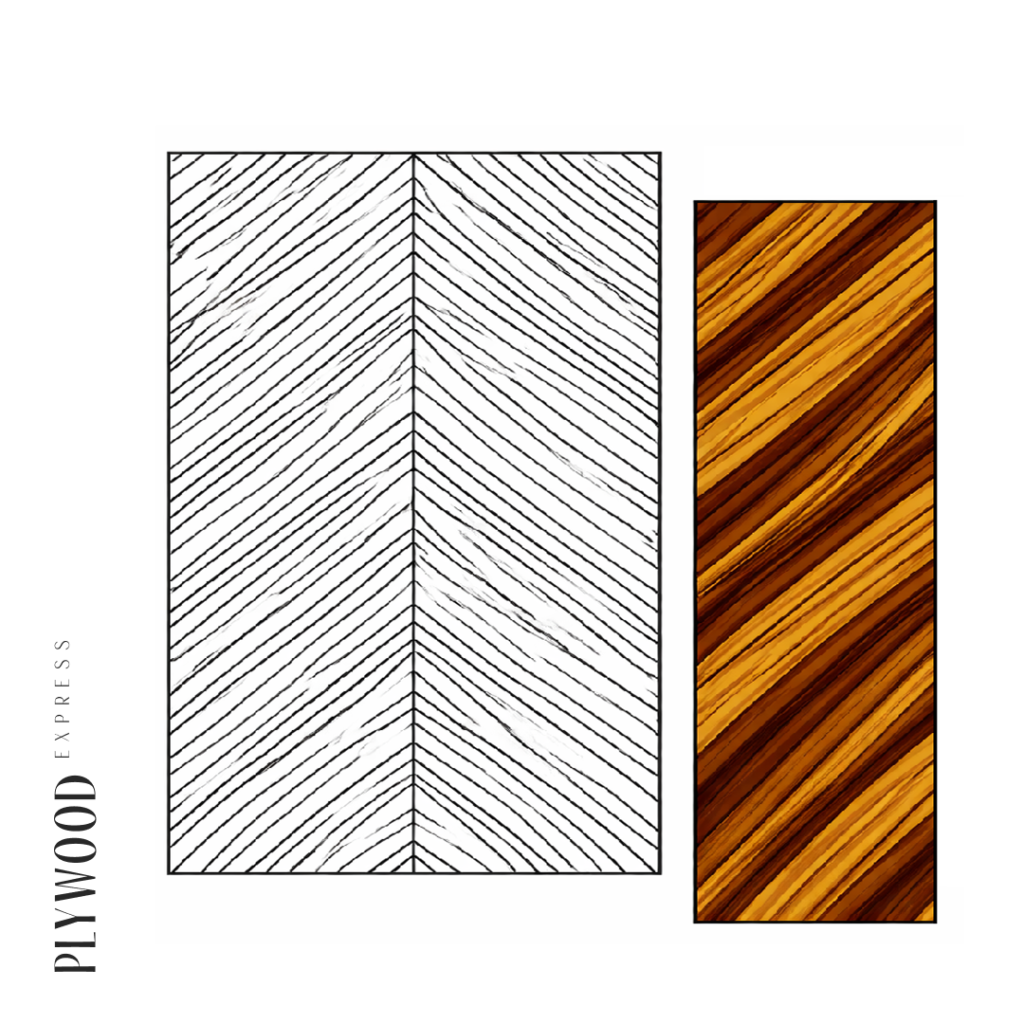
SKETCH FACES
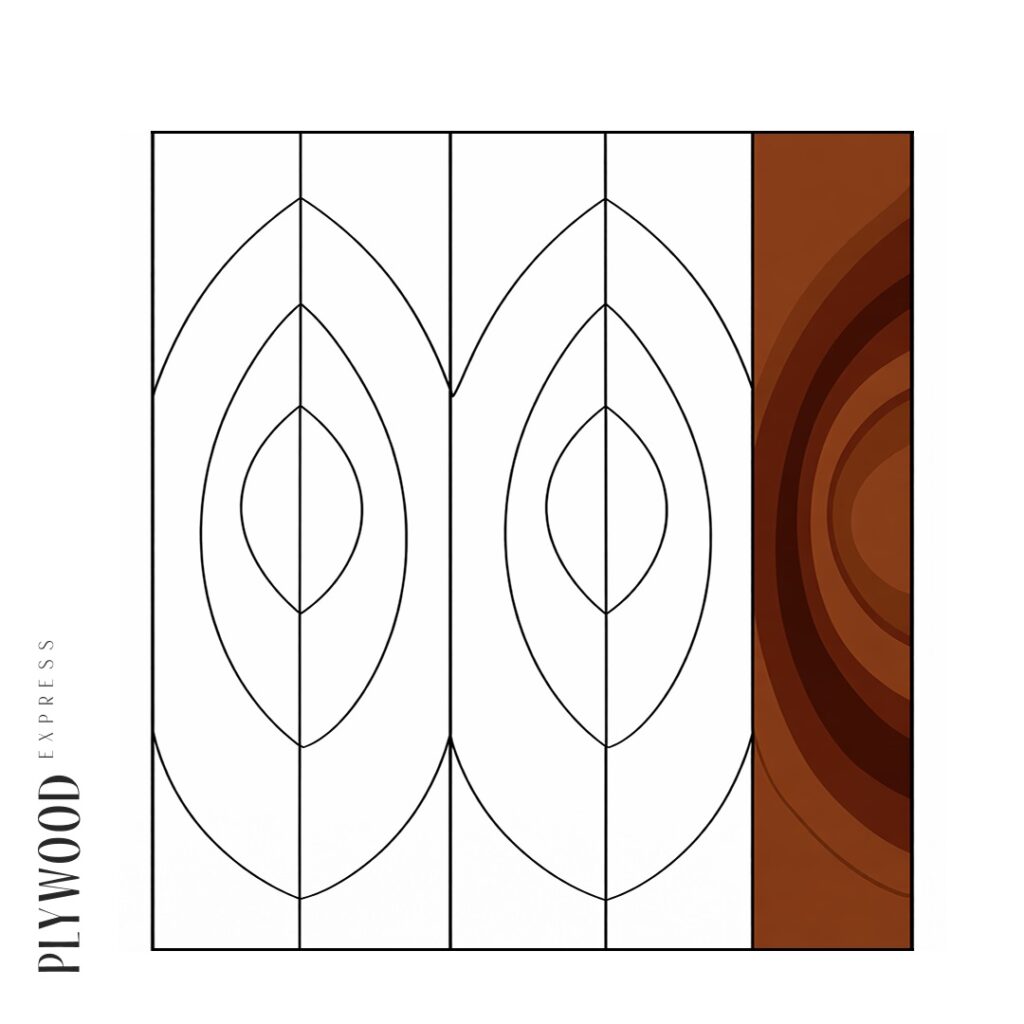
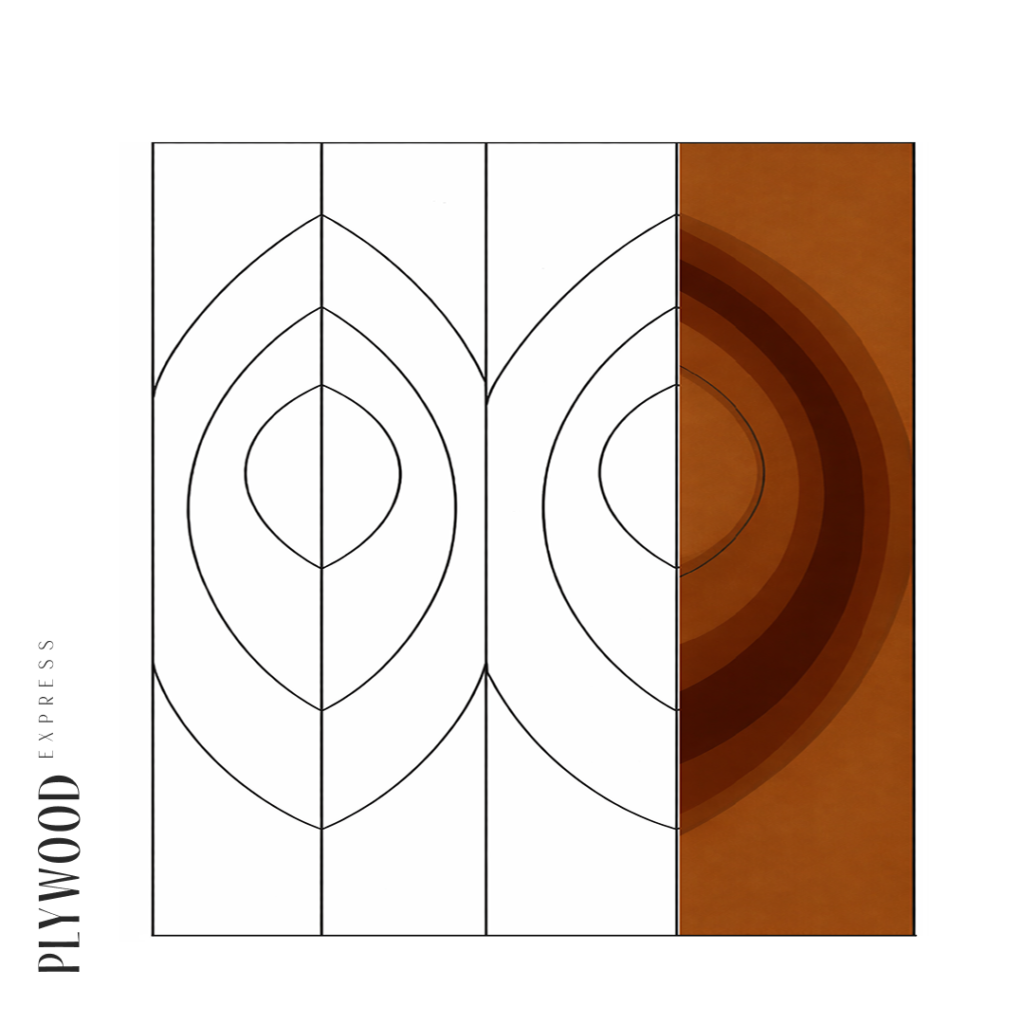
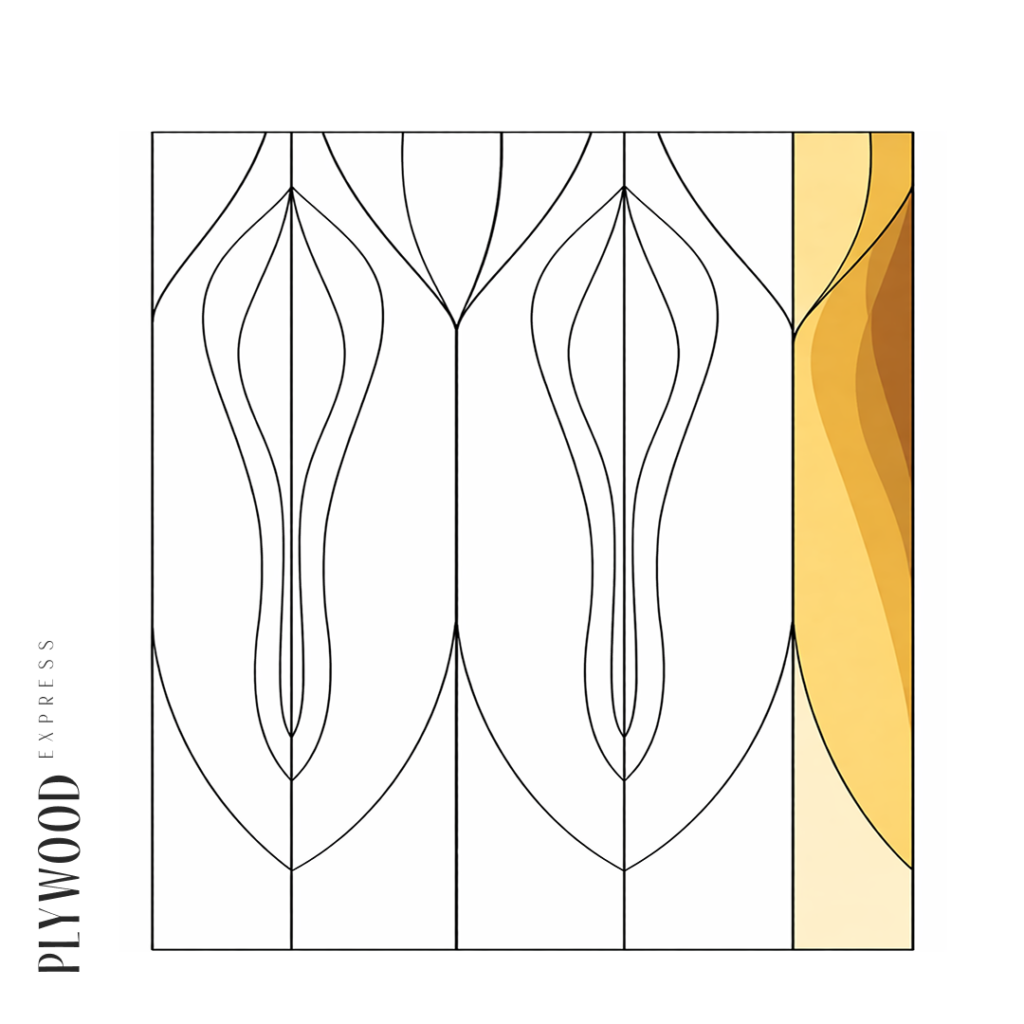
Sketch Face veneer involves decorative veneer designs formed by arranging individual leaves into geometric patterns instead of following the natural grain flow. These sketch faces are used to make striking visual statements, establish symmetry, and create focal points in architectural and furniture applications.
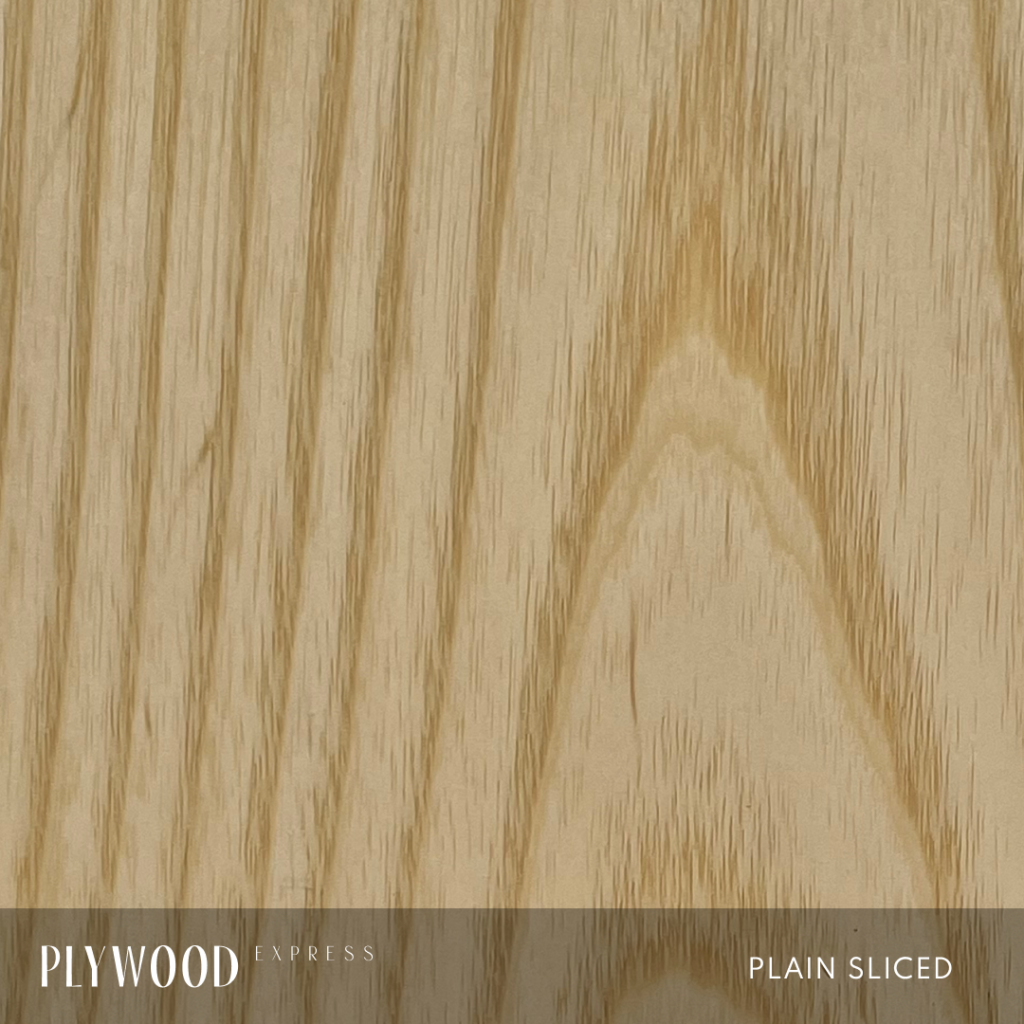
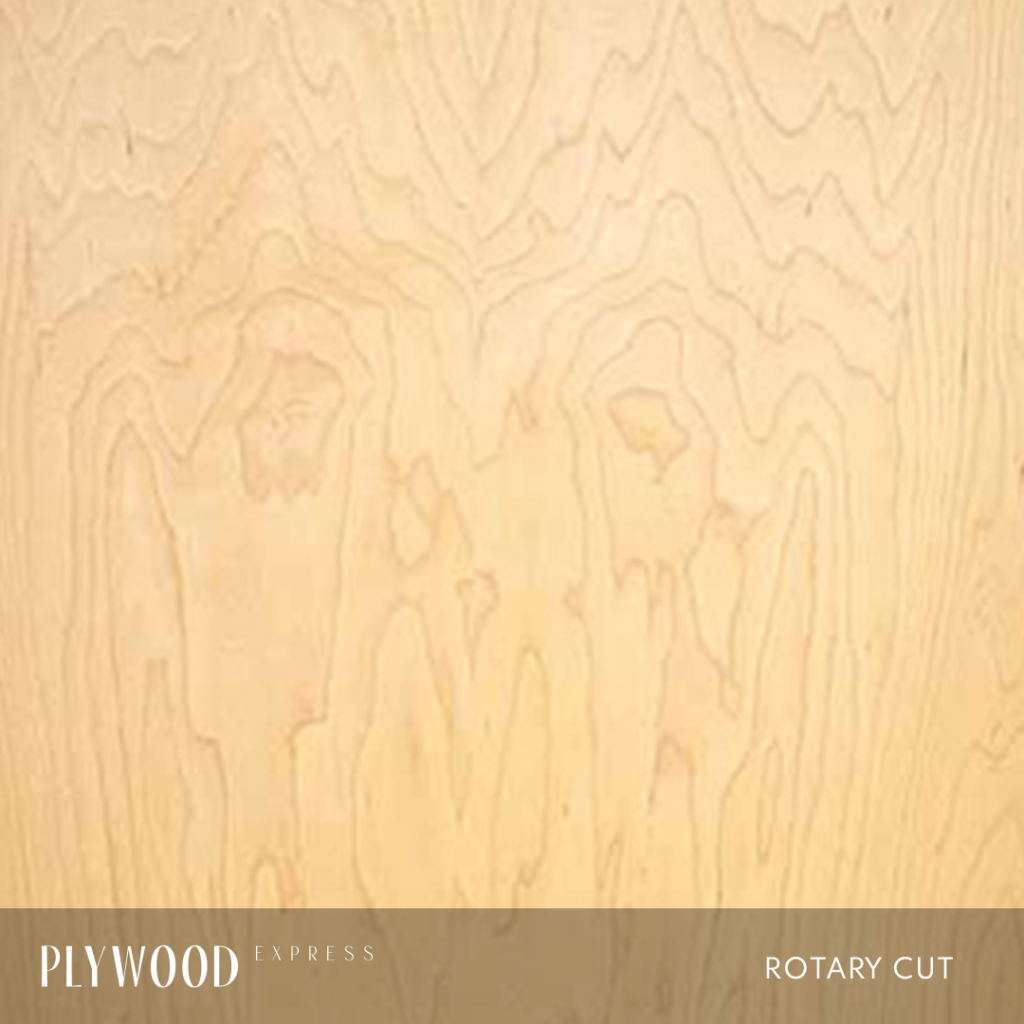
VENEER CUTS
Wood veneer cuts define how the log is sliced and directly influence the grain pattern, movement, and overall appearance of the veneer. Each cutting method highlights different natural characteristics of the wood, affecting both aesthetics and performance. Understanding veneer cuts helps ensure the right balance of visual impact, consistency, and design intent for each application.