FLEXIBLE VENEER
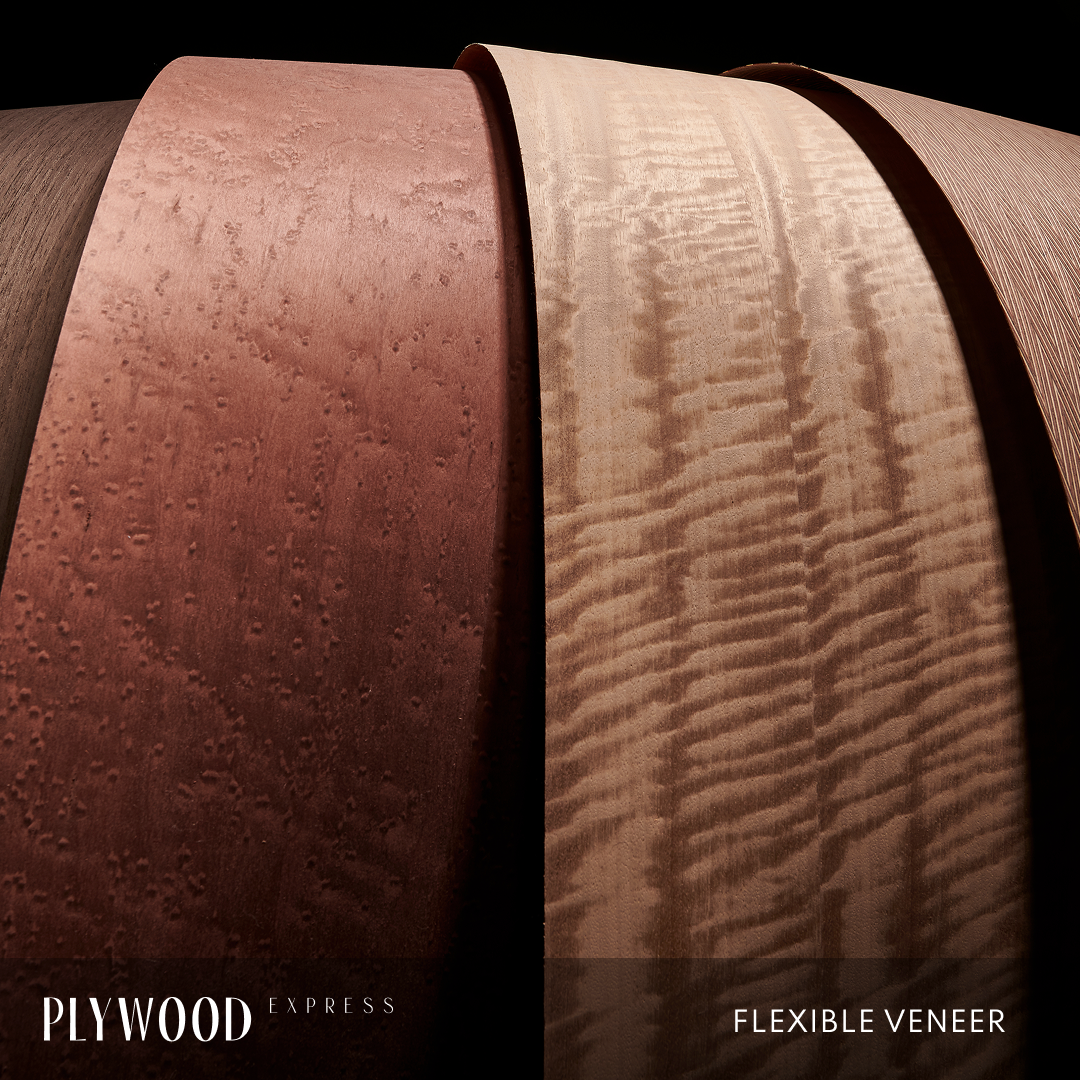
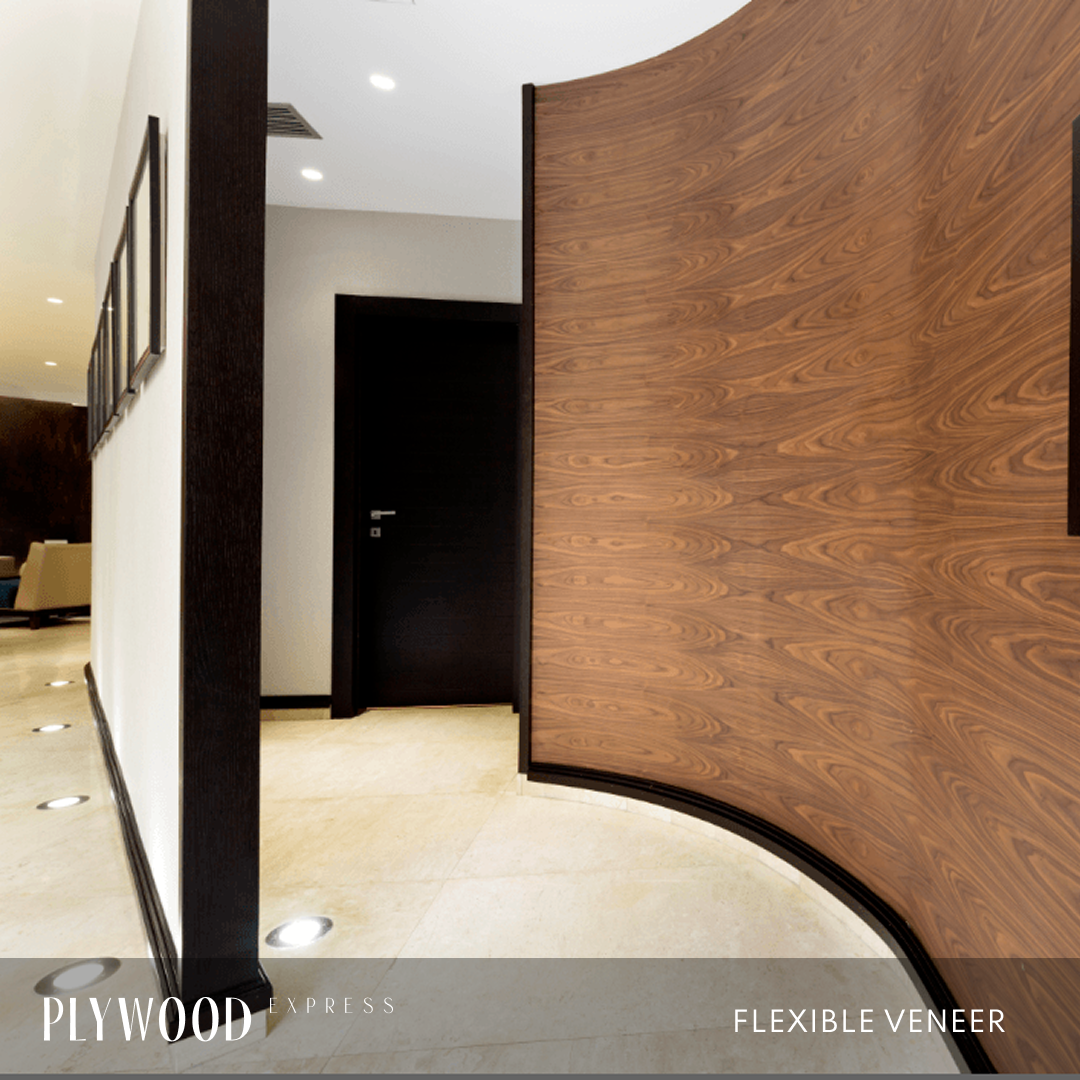
Flexible veneer refers to wood veneer sheets that have been specially backed and treated to make them durable, and easy to apply on curved or contoured surfaces, without cracking or splitting.
To achieve its flexibility, the veneer’s wood grain is mechanically “broken” in a specialized machine. This controlled process loosens the wood fibers, allowing the sheet to bend and wrap to complex shapes without cracking. It is made from real wood veneer that has been laminated to a flexible backing such as paper, wood, phenolic, or fleece and break the grain to enhance its flexibility. This process allows the veneer to bend, wrap, or conform to complex shapes.
Backing Options
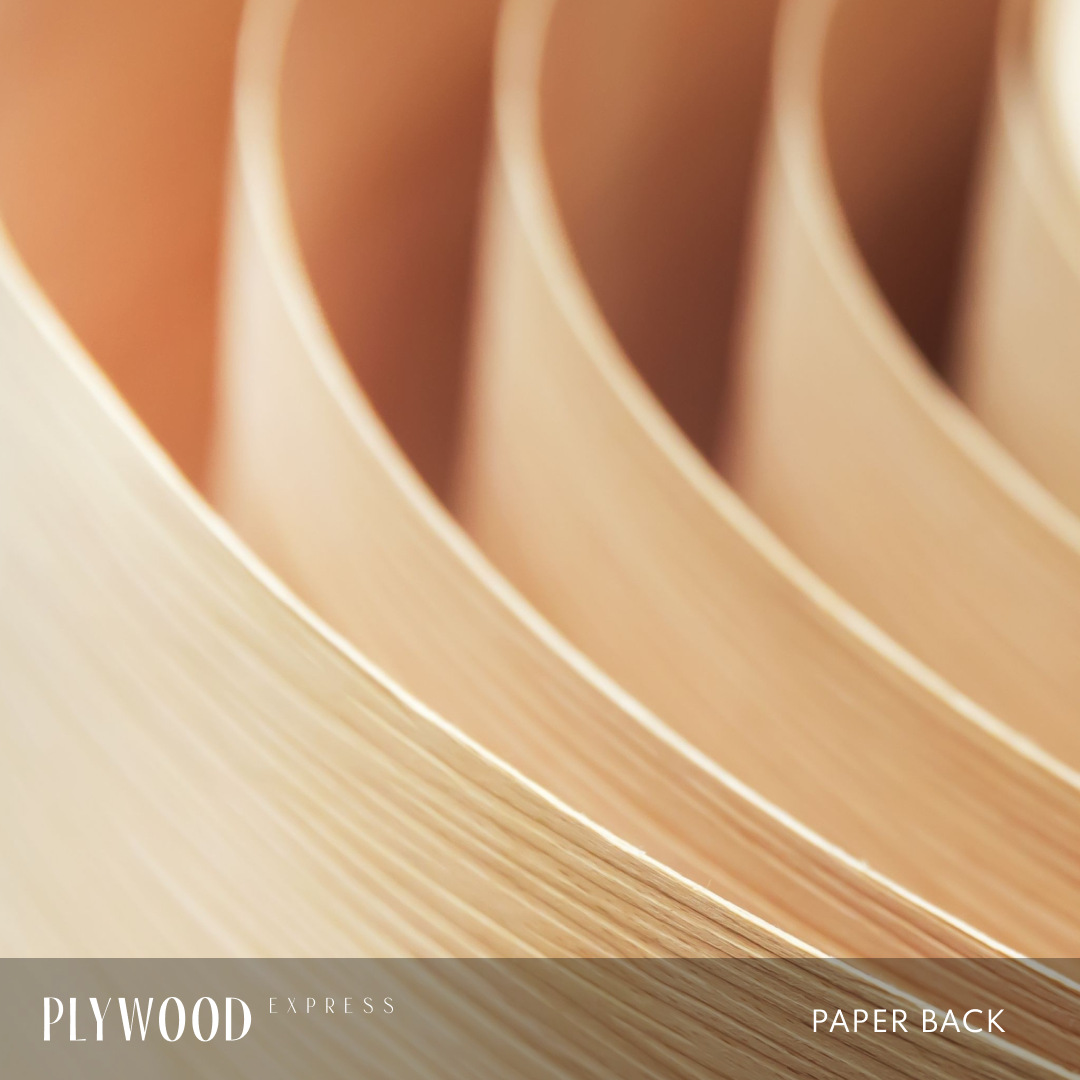
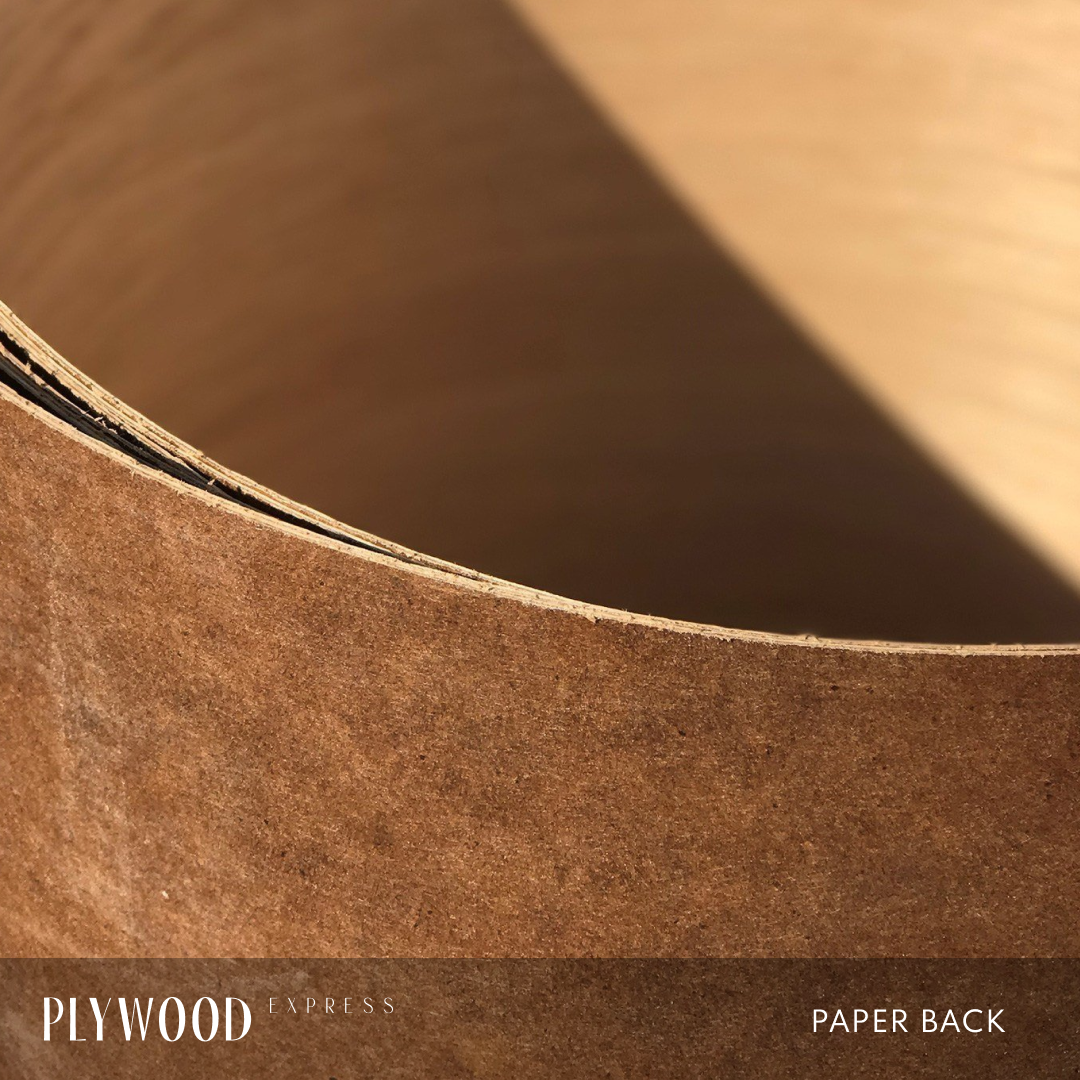
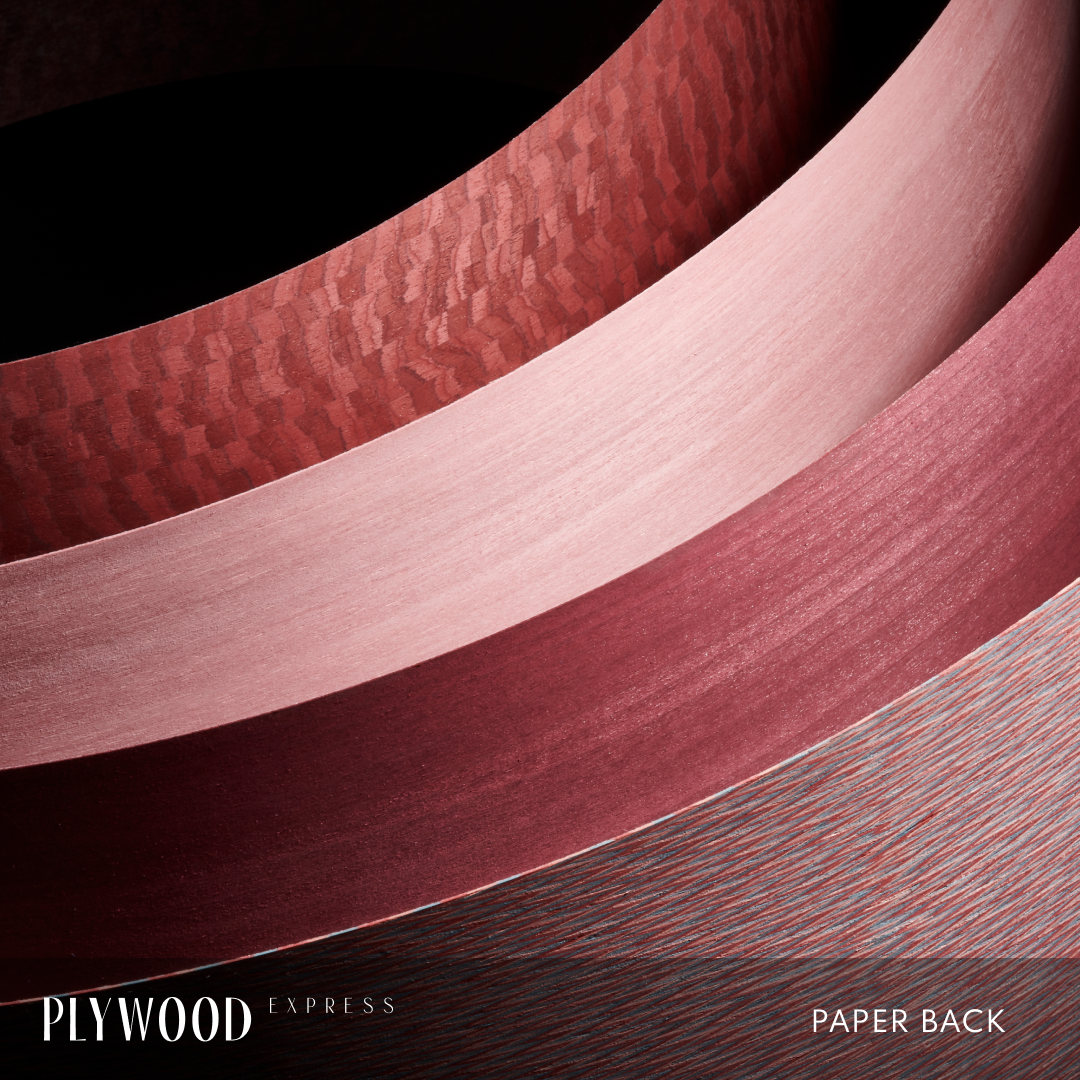
- Paper-Back – A thin sheet of real wood veneer is bonded to a special paper backing. The paper reinforces the veneer and helps it bend without cracking, making it the most flexible and cost-effective option
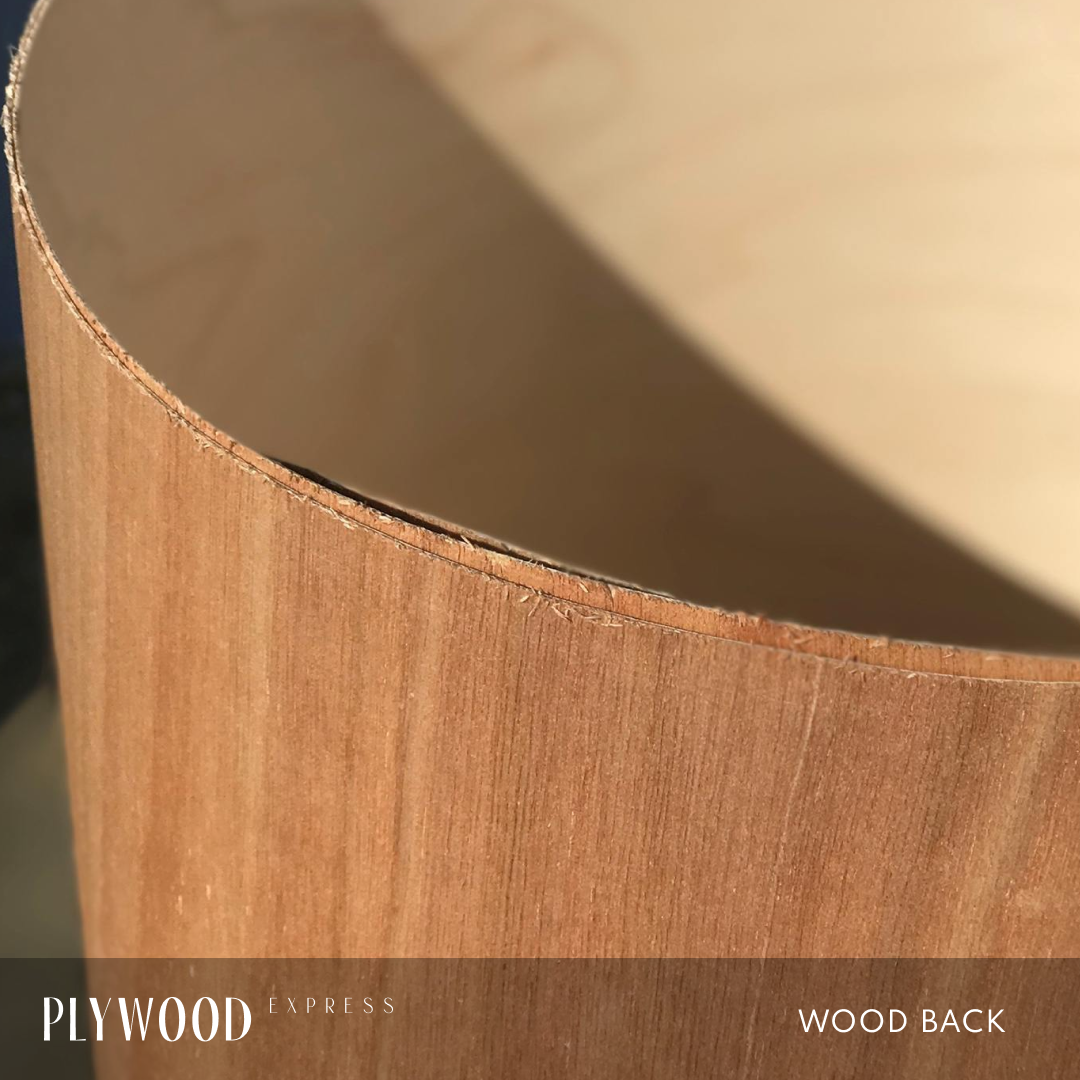
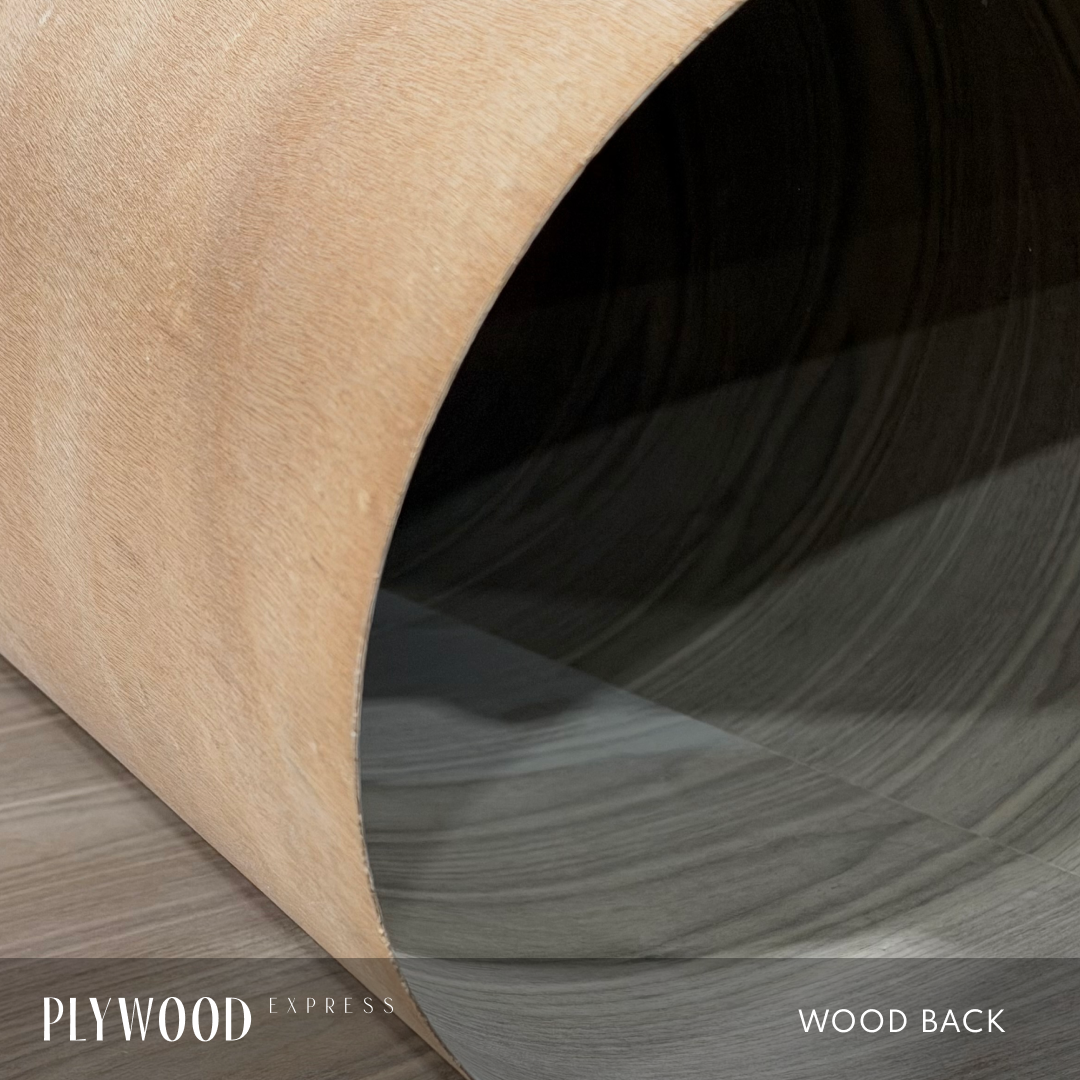
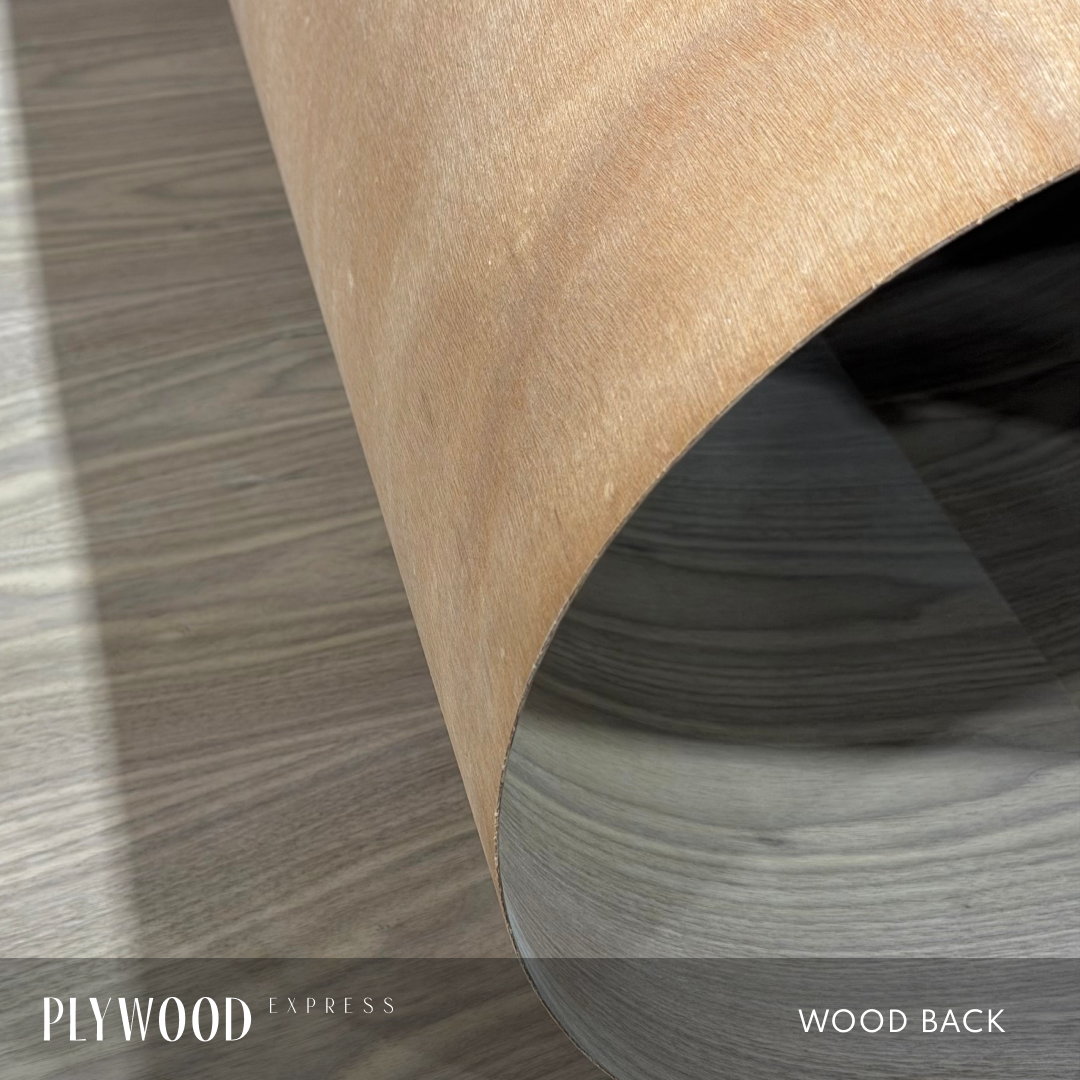
- Wood-Back – It is produced by laminating a face veneer (the decorative species) to a secondary wood veneer backing, usually made from a stable species such as Poplar or Okoume. The two layers are bonded together using cross-grain construction, meaning the grain of the backing veneer runs perpendicular to the face veneer.
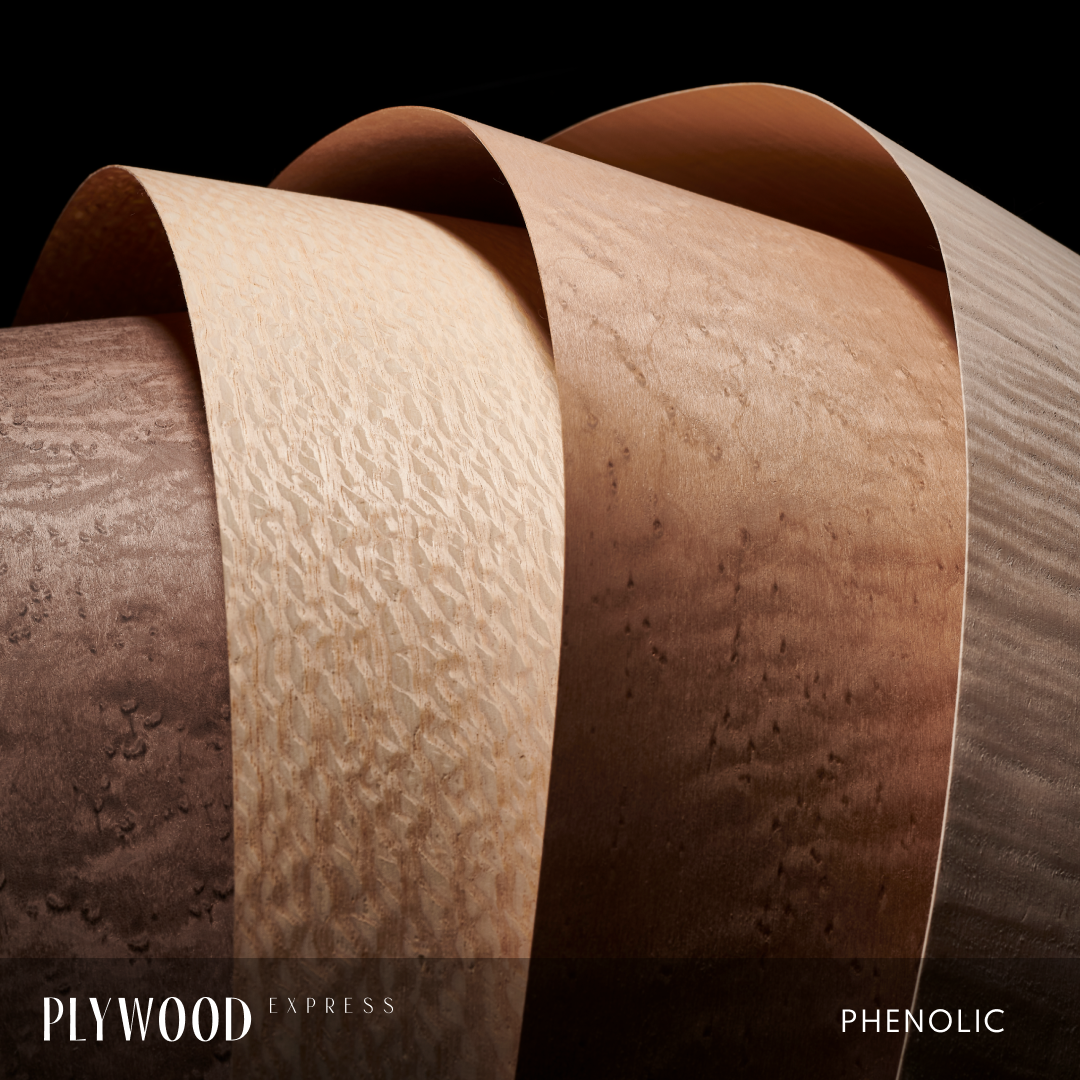
- Phenolic-Back – A phenolic resin-saturated backing is applied to the veneer under heat and pressure. This process creates a rigid yet stable sheet with excellent dimensional strength and moisture resistance.
- Fleece-Back – A thin fleece (non-woven fabric) layer is laminated to the back of the veneer to enhance flexibility while maintaining a lightweight structure.
This makes it the most pliable option, ideal for delicate, contoured, or intricate surfaces where precision is required.