
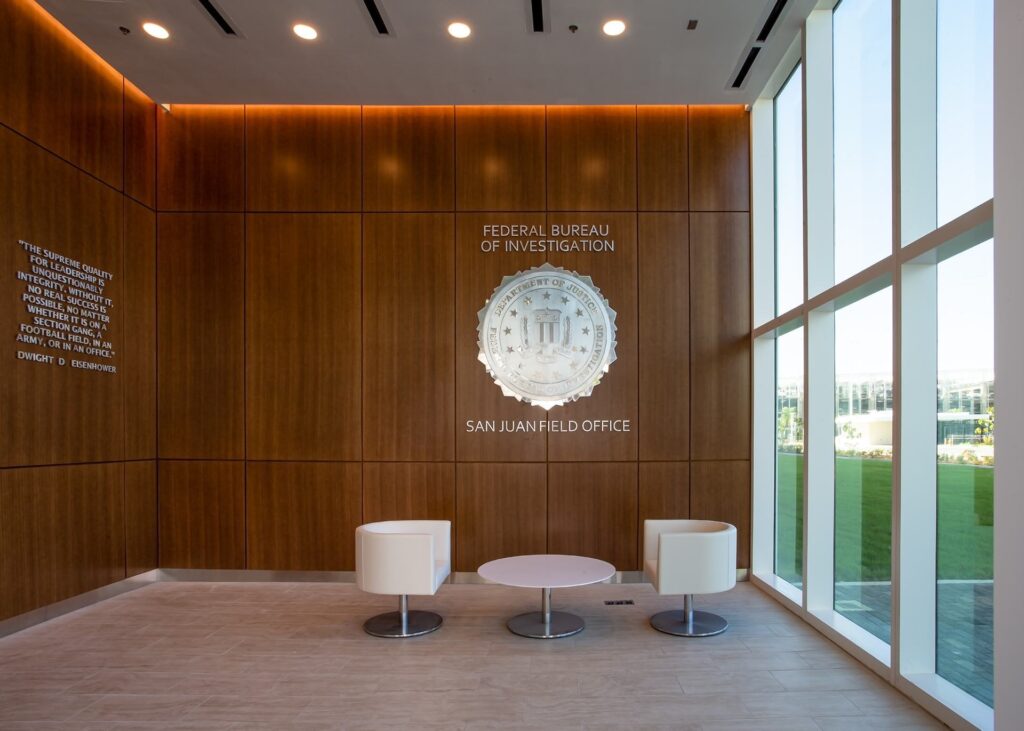
Wood-paneled walls are one of the most effective ways to modernize a space while adding warmth, texture, and visual depth to interior environments.
Whether you are designing a residential, hospitality, or commercial project, architectural wood panels can elevate the overall aesthetic and create a timeless, sophisticated appearance. If you are considering incorporating wood paneling into your next project, understanding how to select the right materials and specifications is essential to achieving a flawless result.
Choosing the Right Wood Panel for Your Wall
Before selecting a wood panel, it is important to evaluate the overall style and atmosphere of the space.
For more rustic interiors, textured and natural-looking panels with visible grain variation can create warmth and character. In contrast, contemporary spaces often benefit from cleaner, smoother, and more refined panels with consistent finishes and modern detailing.
Beyond aesthetics, panel quality is equally important. High-quality wood panels provide better dimensional stability, durability, and long-term performance, helping prevent issues such as warping, cracking, or surface inconsistencies over time.
What Every Carpenter and Designer Should Know About Wood-Paneled Walls
Architectural wood paneling requires careful planning and attention to detail. From veneer selection to installation methods, every specification plays a critical role in the final appearance and performance of the project.
Design Considerations
A successful wood paneling project begins with detailed planning. Technical specifications should clearly define:
- Wood species
- Veneer cut and grain direction
- Panel construction
- Installation methods
- Finish requirements
- Exact dimensions and layouts
Proper planning ensures visual consistency and helps avoid costly mistakes during fabrication and installation.
Understanding Veneer Sequencing and Matching
One of the most important elements in architectural woodwork is veneer sequencing — the arrangement of veneer leaves to create a balanced and continuous appearance across panels.
- Running Match: In a running match layout, each panel face uses as many veneer leaves as necessary. This approach is more economical but results in varying veneer widths across the panel surface.
- Center Balanced Match: With center-balanced matching, veneer leaves are cut to equal widths before trimming. The layout may use either even or odd numbers of leaves depending on the desired appearance and panel composition. Grain correspondence refers to how adjacent panels align in both color and grain pattern to create visual continuity throughout the installation.
The two primary methods are:
- Sequenced Match: Panels are manufactured in sequence so neighboring panels maintain a consistent grain and color flow across the wall.
- Sequenced and End-Matched: Panels are matched both vertically and horizontally to create a continuous flush appearance. In many cases, veneers are book matched to create a mirrored grain effect, which should be clearly specified in the architectural drawings.
Species, Veneer Cuts, and Matching Methods
Selecting the right wood species is critical to the success of the project. Equally important is preserving the integrity of the veneer throughout fabrication, finishing, and installation.
Veneer Cutting Methods
Different slicing methods create unique visual characteristics, including:
- Rotary cut
- Plain sliced
- Quarter sliced
Each cut produces a distinct grain appearance and should be selected based on the desired aesthetic.
Veneer Matching Techniques
Veneer leaves may be arranged using different matching methods depending on the design intent:
- Slip matching
- Book matching
- Random matching for a more rustic appearance
Maintaining consistency in grain and color across the panel face is essential for achieving a premium architectural finish.
Veneer Cut Quality and Flitch Considerations
Veneer quality should always be evaluated against the flitch length and project dimensions. Veneer sheets should generally exceed the final panel size by at least 6 inches to allow proper trimming and fabrication.
It is also important to monitor variations in veneer width during the slicing process, as inconsistencies can impact alignment and visual continuity.
Because grain appearance is directly influenced by how the log is cut, careful veneer selection and matching are necessary to create a cohesive final installation.
Surface Smoothness and Finishing
For interior wall applications, surface smoothness is essential. Proper sanding and finishing help create a clean, refined appearance while improving coating performance.
Machine sanding quality is often evaluated by the number of knife cuts per inch, the higher the number, the smoother the surface.
Additional fine sanding can further improve the finish while reducing visible streaks or sanding marks commonly associated with coarse abrasives.
By following these best practices, architects, designers, and fabricators can consistently deliver high-quality architectural woodwork while avoiding common installation and inspection issues.
Where to Find High-Quality Wood Panels
Architectural wood panels are an elegant and versatile solution for adding texture, depth, and sophistication to modern interiors. Choosing the right materials and fabrication partner is essential to achieving long-lasting results.
Plywood Express specializes in custom wood panel fabrication using premium-quality materials, FSC®-certified options, and strict quality control throughout every stage of production.
Contact us today to explore our custom wood panel collection and discover the ideal solution to bring elegance, performance, and craftsmanship to your next project.