
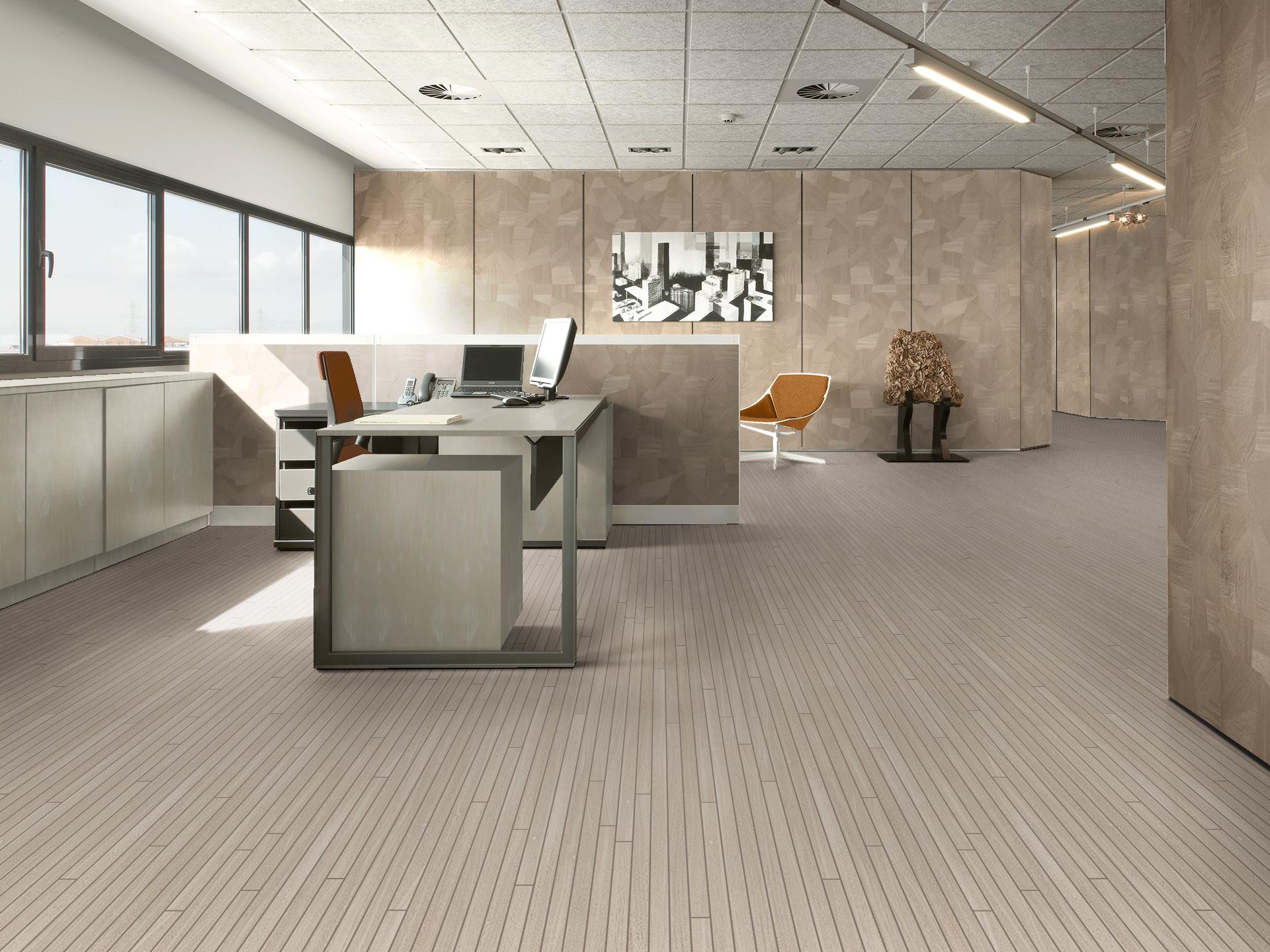
Wood veneer continues to be one of the most sophisticated and versatile materials used in architectural millwork, cabinetry, furniture, and interior design. Among the many specialty veneer options available today, fumed and dyed veneers have become increasingly popular for projects that require unique aesthetics, enhanced color consistency, and premium visual appeal.
Both techniques preserve the natural beauty of real wood while offering designers additional creative flexibility and control over color and appearance.
Fumed Veneer
Fumed Veneer undergoes a specialized process designed to naturally darken the wood fibers while enhancing the grain pattern and character of the veneer.
The process utilizes vacuum chamber technology, where the wood is exposed to ammonia gas over an extended period, typically lasting three to four weeks. During this process, the ammonia reacts with the natural tannins present in the wood, creating deeper and richer tones throughout the veneer.
Because the reaction depends on tannin content, only certain wood species are suitable for fuming. Tannins are naturally occurring compounds found in wood, bark, and roots that influence color variation and natural staining characteristics.
Depending on the species and tannin concentration, fumed veneers can range in appearance from warm medium browns to dramatic dark chocolate and near-black tones.
Unlike surface staining, the fuming process enhances the wood naturally without masking the grain. This allows the veneer to maintain its authentic appearance while achieving a more sophisticated and refined color palette.
Its rich appearance and natural depth have made it especially popular in modern and minimalist interior designs.
Dyed Veneer
Dyed Veneer was developed for designers and architects seeking the warmth and texture of real wood while achieving more controlled and consistent color tones.
Unlike traditional stains that sit on the surface, dyed veneer undergoes a specialized coloring process that penetrates deeper into the wood fibers. The veneer is first bleached and purified to remove impurities and unwanted chemical components before being immersed into a dye solution.
This process allows the color to penetrate throughout the veneer thickness, helping create greater color consistency and uniformity across the material.
One of the main advantages of dyed veneer is its ability to maintain the natural wood grain while introducing a broader range of colors and tones. Rather than covering the wood’s character, the dye enhances the natural grain patterns and texture already present in the veneer.
Because of the controlled coloring process, dyed veneer allows designers to maintain visual consistency throughout an entire project while still benefiting from the authenticity and warmth of real wood.
Combining Natural Beauty with Design Flexibility
Both fumed and dyed veneers provide architects, designers, and woodworkers with advanced design possibilities while preserving the elegance of natural wood.
Fumed veneer offers rich, naturally darkened tones created through a chemical reaction with tannins, while dyed veneer provides greater color customization and consistency without sacrificing the natural grain appearance.
Whether used in luxury residential interiors, commercial spaces, custom furniture, or architectural millwork, these specialty veneers continue to expand the creative potential of modern wood design.